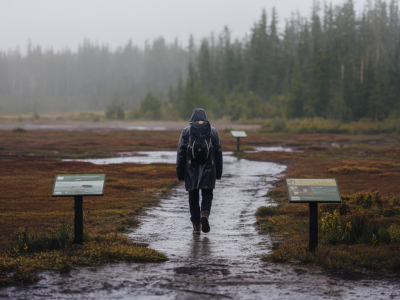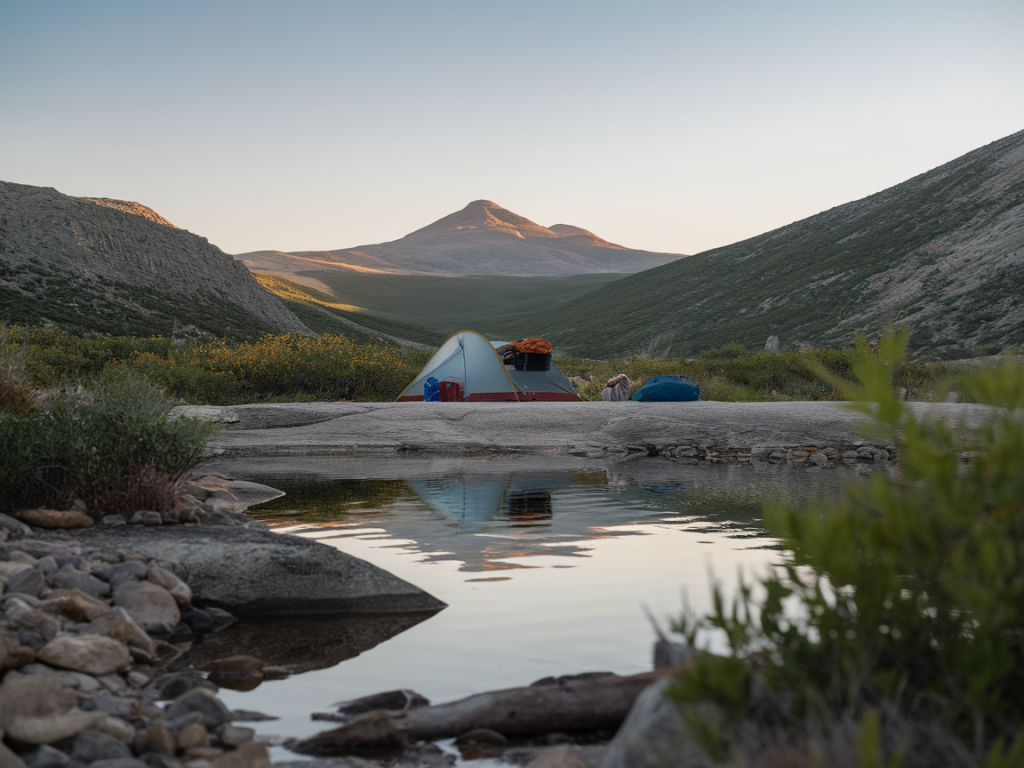
After a long multi-day border hike that threads cliff tops, boggy passes and quiet lanes, I often find myself wanting to stretch the trip with a single low-impact wild camp before I catch the train home. Those last hours — slowing down, setting up somewhere marginal and watching the light change — are some of the richest. They’re also the moments when you can be careless and harm the very places you’ve been walking through. This guide is the practical, boots-on-the-ground approach I use to plan a responsible wild camp that fits with public transport and local resupply opportunities.
Start with the route and transport in mind
Before I choose a camp spot I decide where the train will take me the next day and where I can resupply. Trains set hard time constraints: evening services are fewer in rural areas, and missing the last one can turn a tidy plan into an awkward extra night. I use National Rail and local timetables to identify stations or request-stop halts within a reasonable distance from my planned end-of-day route.
I prefer to end a walk within 8–12 km of a station when I’m carrying wild-camp kit; that distance allows for a relaxing evening and enough time to find a discreet pitch. If the final stretch is longer, I’ll consider a short footpath diversion to a minor road near a halt, or, if available, a local bus that can take me closer to resupply points like a village shop or pub.
Use local resupply points — they’re part of the landscape
One of the best parts of planning with trains in mind is that you often pass through villages with small shops, pubs or farm shops that make resupply easy. I plan my food and water around these stops:
- Water: Fill up at pubs or community halls when possible; they rarely mind a polite request. Otherwise, identify streams or public taps and treat the water with a filter or tablets.
- Food: I’ll buy fresh items (cheese, bread, fruit) at the last shop to minimise what I carry. If I plan to cook, I’ll pick up lightweight ingredients — instant couscous, dried lentils, flatbreads — that are fuel-efficient.
- Trash: Use village bins sparingly and try to carry waste to a larger town’s recycling point. Don’t leave any food or packaging behind.
Choose your pitch with care
Finding a pitch that’s low impact is more art than science. I look for places that are marginal to the landscape — short grass beside an established farm track, a discreet hollow near gorse or a small shoulder of hard ground — and avoid sensitive habitats like peat bogs, dunes, cliff-top nesting areas and heather moorland.
Key criteria I use:
- Avoid trampling: Use already-bare or hardened ground where possible. Avoid erecting your shelter across footpaths or near walls that people use.
- Respect wildlife: Keep well away from nesting birds and grazing livestock. If you see ground-nesting birds in spring or early summer, move on.
- Hide but don’t trespass: Seek a discreet spot out of sight of houses and footpaths, but avoid gardens, farmyards and fenced fields with stock unless you have permission.
- Water access: Pitch near a reliable water source but not so close that you damage riparian vegetation; stay at least 30 metres from water when pitching and cooking.
Minimal kit, maximum effect
I dislike lugging heavy gear at the end of a long hike, so I choose items that keep weight low but comfort and safety high. My usual kit for a single wild night after a multi-day hike includes a lightweight 1–2 person tent or a bivvy, a 300–450 g sleeping quilt or down bag, and a compact sit pad. If I plan to cook, I bring a small canister stove (e.g. MSR PocketRocket or Jetboil Sol) rather than collecting wood.
| Item | Why I pack it |
|---|---|
| Light tent or bivvy | Shelter, privacy, wind protection |
| Sleeping quilt/bag + pad | Warmth and comfort; pads protect from cold ground |
| Small stove + fuel | Efficient cooking without collecting wood |
| Water filter/tablets | Safe water from local sources |
| Packable food for breakfast | Light morning meal before the train |
| Waste bag + ziplock | Carry out all non-biodegradable waste |
| Headtorch + spare batteries | Visibility and safety at night |
| Map, compass, phone + powerbank | Navigation and emergency contact |
Leave No Trace in practice
Leave No Trace isn’t just a slogan; it’s a practical checklist. For my overnight stops I follow a simple routine:
- Pitch on durable ground and dismantle any trampled vegetation before I leave.
- No fires: in many upland and coastal areas there are legal or ecological reasons to avoid open fires. I use a stove if I need hot food.
- Carry out everything: food packaging, hygiene products, and any litter collected. Even organic waste can attract wildlife and disrupt ecosystems.
- Human waste: if facilities aren’t available, dig a cat hole 15–20 cm deep at least 50 metres from water and paths. Pack out toilet paper if local guidance suggests it, or bag and carry out.
Nighttime considerations and neighbours
I always think about other people. Quiet rural places can lie close to farms, villages or holiday cottages. I avoid pitching in obvious viewpoints, and I keep noise to a minimum — especially when returning late from a long day. I also keep lights low and use a small headtorch with a red filter to minimise disturbance to wildlife and other people.
If a landowner or resident approaches, I’m polite and explain my plans. In most cases a friendly conversation clears up any concerns and helps maintain good relations between wild campers and rural communities.
Timing the morning and catching the train
Choose a station that gives you breathing room. If the station is small and unstaffed, plan to arrive at least 20–30 minutes before the scheduled train to avoid stress. If you need a ticket machine, check whether it accepts cards or only coins. I keep a small amount of change and a printed timetable snapshot in case mobile signal is poor.
If I wake early and have time, I’ll do a quick sweep of the pitch to ensure no trace remains, pack as much as I can in the tent then pack the tent last to leave the area tidy. If I need coffee and a bite before boarding, local village stores or station cafés often serve walkers — it’s a good final chance to support local businesses.
When things go wrong
Weather, delayed trains and tired legs can upset the best plans. Have an emergency fallback: a second potential pitch closer to the station, an alternative bus route, or knowledge of a nearby B&B if the forecast is awful. Keep your phone charged and share a rough plan with someone — where you’ll likely be and which station you’ll aim for.
Small choices, big difference
The difference between a thoughtful wild camp and a careless one often comes down to a few small choices: where you pitch, how you manage fuel and waste, and how you treat local communities. Over the years I’ve learned to treat that last night as part of the walk’s responsibility — not just an indulgent finale. With a little planning around train timetables and local resupply points, you can enjoy a quiet night under the sky without leaving a mark on the edges you love.