Finding a brood of sea ducks — eiders, scoters, long-tailed ducks — along Britain's shores is one of those small rewards that makes coastal time feel rich. But photographing breeding sea ducks is a responsibility as much as a craft. From experience, the best images come when the birds behave naturally and I’ve learned that the key ingredient is patience plus a hide that minimises disturbance. Below I share practical, field-tested advice on choosing hide sites, building and using hides sensitively, camera settings, composition, and reading duck behaviour so you get better pictures without compromising the birds' welfare.
Why hides matter (and what disturbance looks like)
Sea ducks are relatively tolerant compared with some shorebirds, but during the breeding season they’re sensitive to close approaches, repeated disturbance and quick movements. Disturbance can cause adults to flush, leave nests exposed, or increase stress that reduces foraging or care for ducklings. A good hide lets you observe and photograph without changing a bird’s behaviour.
Signs of disturbance to watch for:
Choosing a hide site
Choosing where to set up starts with good reconnaissance. I often walk stretches of coastline early in the season, noting sheltered bays, reed fringes, rock stacks and kelp beds where ducks loaf and feed. Look for a combination of feeding opportunities and sheltered loafing spots — broods need both.
Key site features I favour:
Types of hides and how I use them
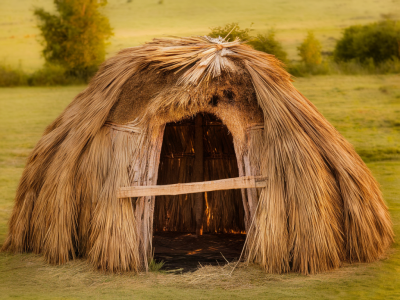
Not every hide needs to be a fully sewn canvas affair. I use a mix depending on terrain and how mobile I need to be.
When using manufactured hides, ensure they’re well ventilated and that the fabric doesn’t flap in the wind (a noisy flap is a big giveaway). I always anchor corners with stones or sandbags. For ground hides I carry a lightweight rucksack pad to sit on and a dark, non-reflective fleece to bury my camera controls.
Approach, entry and movement discipline
Approach matters as much as the hide. I never make direct line approaches; instead I move laterally parallel to the shore and use existing cover to break up my outline. When I reach the hide site, I pause at a distance equivalent to the last good observation point, let the birds settle, then continue slowly. Sudden, jerky movements are easily noticed.
Camera gear and practical settings
Sea ducks on water need both reach and speed for decisive moments: ducklings paddling, wing-flaps, or the subtle interactions between parents. I usually work with a 300mm to 600mm lens on a cropped or full-frame body depending on distance.
| Situation | Shutter | Aperture | ISO | Focus mode |
| Still adult on water | 1/500s | f/5.6–f/8 | ISO 200–800 | Single-point AF |
| Active ducklings/wingbeats | 1/1000–1/2000s | f/4–f/6.3 | ISO 400–3200 | Continuous AF, 3D/zone |
| Low light / backlit scenes | variable (use exposure comp) | f/4–f/5.6 | ISO 800–6400 | Continuous AF |
Use high-speed continuous drive for sequences and RAW capture for maximum recovery in post. I keep a beanbag or short monopod for stability when shooting from low hides — they help chase sharp frames when birds bob on waves.
Composition and storytelling
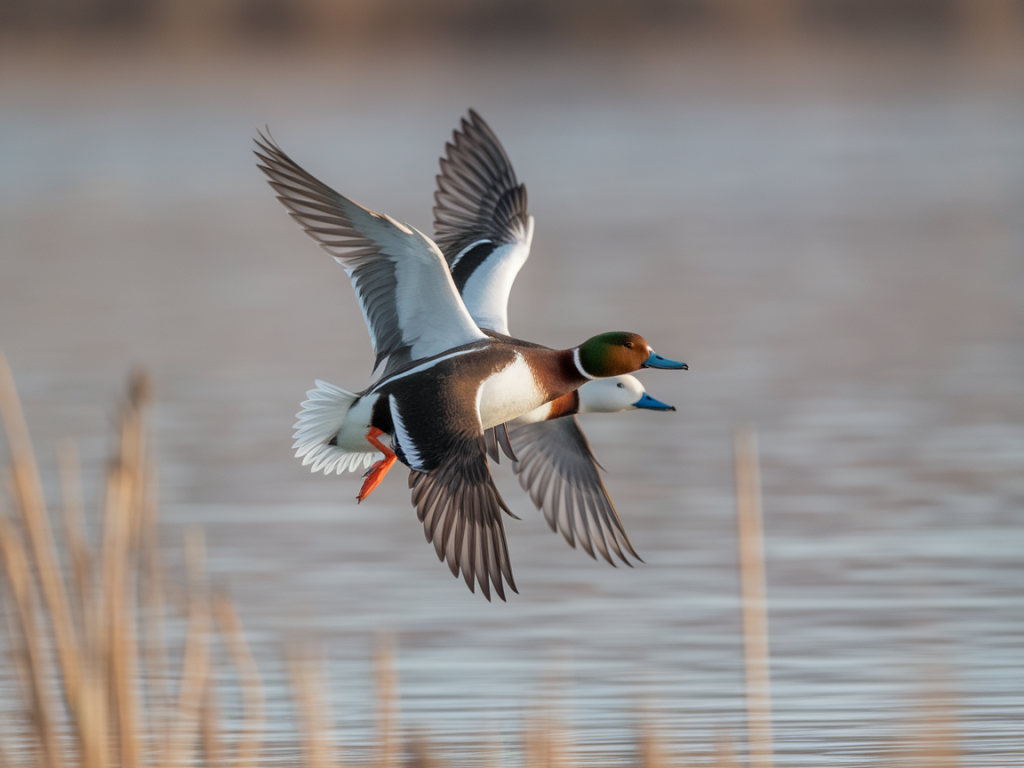
Photographs of breeding sea ducks are strongest when they show context: a brooding female with ducklings in kelp, an eider with rippled water and spring light, or a scoter feeding on shellfish. Keep these pointers in mind:
Ethics, permits and local rules
Before setting up, check local bylaws and Nature Conservation designations. Some sites require permits for prolonged hides or professional photography. I contact local reserve managers where possible; they can advise on sensitive areas and sometimes suggest better vantage points.
Ethical ground rules I never break:
Timing and tide considerations
Tide and light shape behaviour. Low tide exposes feeding grounds and often concentrates ducks into predictable channels and kelp beds, making them easier to photograph. Dawn and dusk bring softer light and active feeding, but they can also make birds more skittish — balance the light you want with the birds' tolerance.
Post-processing and attribution
In the edit I aim to retain the natural texture of plumage and water. RAW processing helps pull detail from shadows on dark plumage without overcooking contrast. If you publish images online, include a short note about how the photograph was taken from a hide and affirm that no disturbance occurred — it helps set a positive standard.
Photographing breeding sea ducks is a quiet discipline of observation as much as technique. The best sessions I've had came from leaving my kit at the ready, sitting still and watching a small drama unfold on the water. The reward isn't just a sharp image — it's the privilege of seeing wild birds breed with as little intrusion as possible.