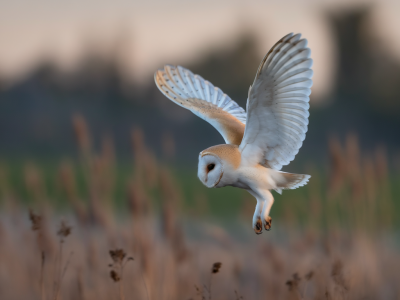
I spend a lot of time at the edges of fields and lanes watching owls. Barn owls are among the most rewarding birds to photograph from a roadside hide because their hunting flights are deliberate, low and often close to the verge. But they’re also...
Read more... →
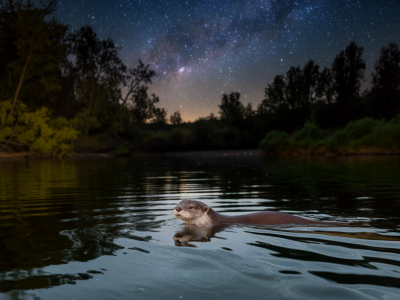
Photographing nocturnal otter activity is one of those rewards that asks for patience, restraint and a small toolkit of techniques. Over the years I’ve learned that getting a usable image is only half the job — the other half is ensuring the...
Read more... →
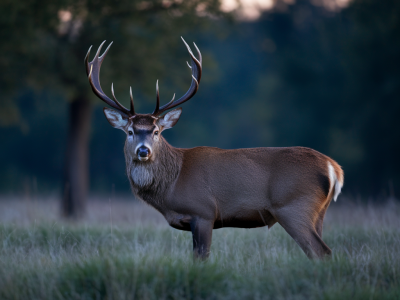
Dusk is the hour when red deer feel most themselves. The hills soften, the air cools and stags step into the light to roar, spar and test one another. For me, photographing the rut is as much about restraint as it is about composition — the best...
Read more... →
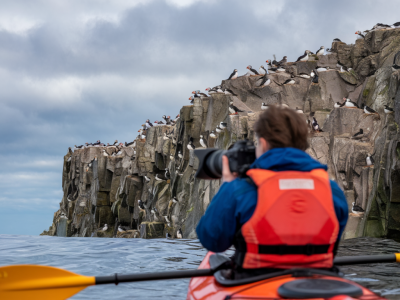
Photographing nesting puffins from a kayak is one of those experiences that feels impossible until you try it — then suddenly the world of sea cliffs, tiny burrows and comic-faced birds opens up in a way you can only access by water. Over years of...
Read more... →
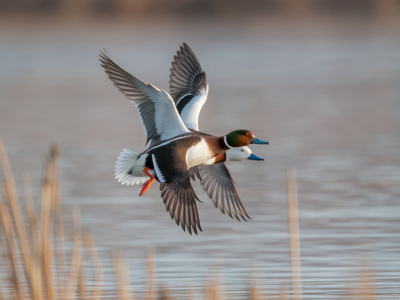
Finding a brood of sea ducks — eiders, scoters, long-tailed ducks — along Britain's shores is one of those small rewards that makes coastal time feel rich. But photographing breeding sea ducks is a responsibility as much as a craft. From...
Read more... →
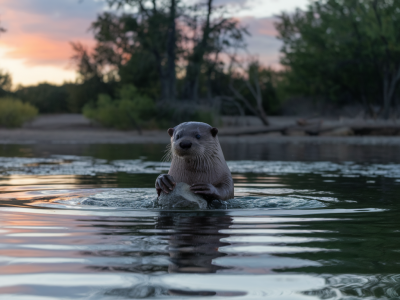
When the light softens and the river quiets, otters slip from shadow into the shallows — the sort of moment that makes you forget the hours of waiting, the cold knees and the careful packing. Photographing foraging otters at dusk is one of those...
Read more... →
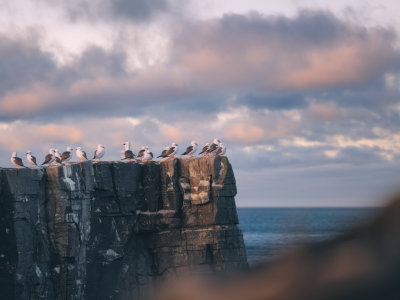
I often plan cliff-nesting kittiwake shoots around the same two priorities I have for any wildlife photography: get close enough to make meaningful images, and stay far enough away to leave the birds exactly as I found them. Dawn is my favourite...
Read more... →
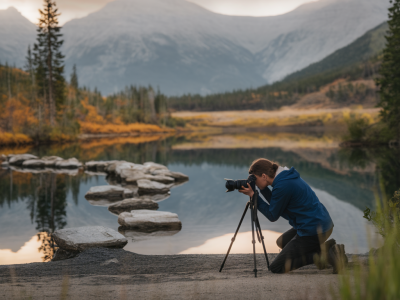
I often think of fieldcraft as the quieter half of photography — the set of small, patient skills that let you collapse the distance between yourself and a scene without collapsing the scene itself. On Britain’s borders — where cliffs meet...
Read more... →
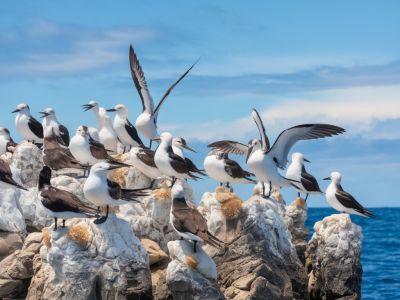
I spend a lot of time photographing seabird colonies around Britain, and one lesson keeps nudging me every time I leave the path: the best images come from patience and respect, not aggression. Nesting birds are especially vulnerable during the...
Read more... →