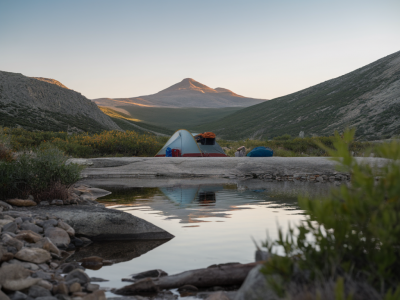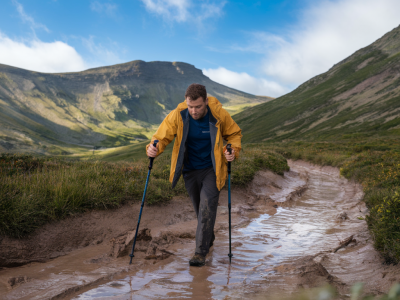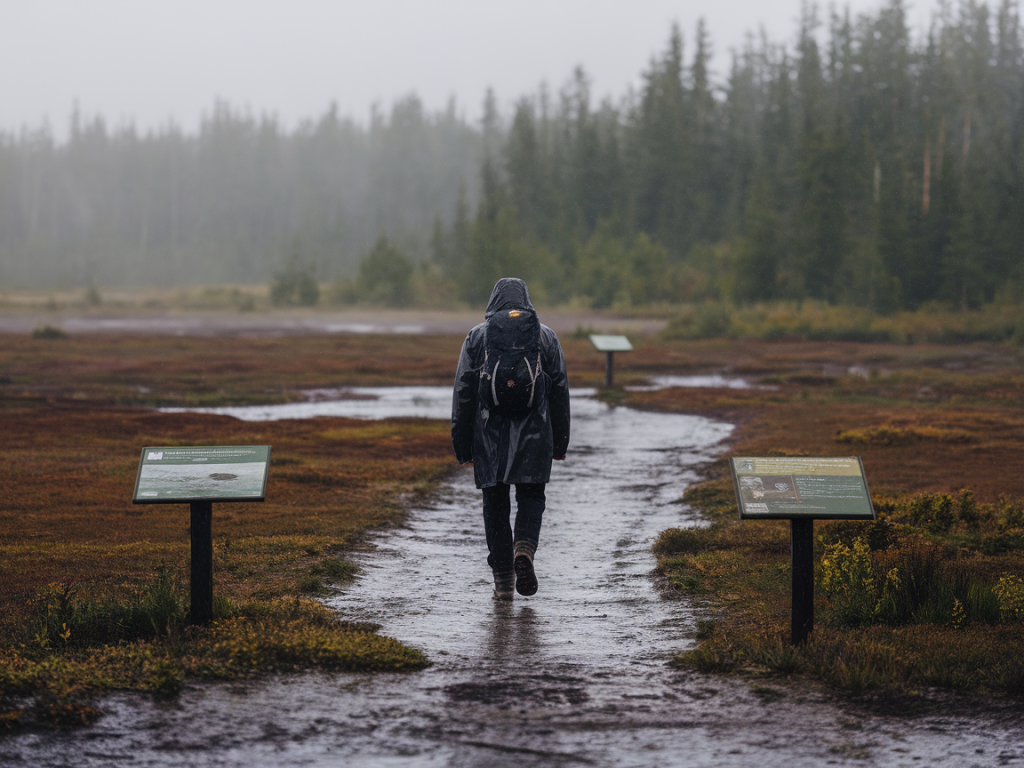
There’s a particular anxiety that comes with a long peatland march: the slow, insistent damp that works its way through socks, collars and morale. Over the years I’ve learned that staying dry on a multi-day peatland route isn’t just a matter of owning the most expensive jacket — it’s about timing when you swap layers, reading the weather, choosing the right fabrics and arranging your pack so your kit is usable when you need it. In this piece I’ll share the signs I use to decide when to change out of waterproofs, the fabrics I favour (and avoid), and the pack strategies that keep me comfortable and moving with confidence across soggy, wind-scoured moor.
Why swapping waterproofs matters on peat
Peatland is a shape-shifter: sodden hollows, wind-exposed ridges and spontaneous drizzle that likes to appear from nowhere. Wear a fully waterproof shell during hard rain and you’ll stay dry — but you’ll also trap sweat during high-effort climbs, which becomes a bigger problem than wet from above. Conversely, stripping to a breathable layer too early leaves you open to windchill and unpredictable showers. The trick is to be proactive rather than reactive: notice the physiological and environmental signs that indicate it’s time to swap, and make the change in a sheltered spot before discomfort becomes urgent.
Key signs it’s time to change out of waterproofs
- You’re sweat-soaked inside your shell: If you can wring moisture from a mid-layer or the inner lining of your jacket is clammy, that’s heat trapped. Swap to a lighter, moisture-wicking layer at the first safe opportunity.
- Downhill or easing effort: When terrain or pace reduces effort and you’re cooling, that’s a cue to pull the waterproof back on. I watch my breathing and hand temperature as simple indicators.
- Wind direction and exposure change: Shelter from a stone wall, fence or peat hummock and reassess. Incoming wind from a new quarter often brings rain; if you can see cloud lowering or feel the breeze turn colder, I don’t wait.
- Wetting from below: If gaiters, socks or the bottom of trousers are getting saturated from splash or bog, changing upper layers won’t fix your core problem — address footwear and gaiters first.
- Temperature drop or light drizzle becomes persistent: A brief spit of rain is one thing; persistent mist or sustained showers means re-donning a waterproof sooner rather than later.
Fabrics I favour (and those I avoid)
Peatland conditions demand fabrics that manage moisture, dry quickly and tolerate abrasion. Over the years I’ve found a few reliable performers.
| Fabric / Finish | Why I use it | Limitations |
|---|---|---|
| Merino baselayer | Excellent next-to-skin temperature regulation, resists odour, maintains warmth damp. | More expensive, delicate around sharp bracken or peat tussocks. |
| Lightweight synthetic mid-layer (Polartec Alpha, grid fleece) | Moves moisture away, warms even when slightly damp; quick to dry in breeze. | Can be bulky if overbuilt; some hold moisture if saturated. |
| Breathable hardshell (Gore-Tex, eVent) | Best for sustained heavy rain and wind; cuts chill and protects from spray. | Less breathable during high-output effort; can trap sweat. |
| Water-repellent softshell | Great compromise for drizzle and wind, more breathable than hardshell. | Not fully waterproof in prolonged rain. |
| Cotton and heavy canvas | None — avoid next to skin. | Absorbs and retains water, heavy, slow to dry. |
I usually run a merino or merino-blend baselayer, a light breathable fleece or Polartec Alpha for insulation and a hardshell for protection. For much of Britain’s peatlands a softshell with good water-repellent finish can be my go-to in transitional weather — it sheds light moisture while allowing me to vent heat more easily than a sealed hardshell.
Practical swapping routine I use on long marches
- Plan swap windows: I identify likely shelter spots every hour: a peat hummock, drystone wall or a stunted stand of heather. I don’t wait until I’m soaked to change.
- Layer check at rest stops: When I stop to eat or consult a map I do a quick layer audit — base dampness, hand warmth, and wind direction. If my base is wet from sweat, I change it; if outer is wet from rain but base is dry, I’ll use the outer for wind protection and allow internal layers to breathe.
- Vent before storing: Before I pack a wet shell, I open it up, shake out peat and let it hang from my pack lid briefly so it loses bulk and grime. I never stuff a sodden shell deep into a dry bag if I can avoid it — moisture will rot insulation and breed smell.
- Swap feet first: If there’s evidence of wet from below — wet gaiters, sodden socks — I deal with footwear immediately. Dry feet are the most effective morale booster on a long peatland day.
Pack strategies that keep waterproofs usable
How you carry your waterproofs is as important as which ones you carry. Peatland routes often involve scrambling and tussocky vegetation; easy access to key layers saves time and heat.
- Top-of-pack pocket for the shell: I keep my hardshell in the top pocket or a side-access compartment so I can grab it without removing the entire pack. When shelter appears, the jacket is ready instantly.
- Dry bag for insulation and spare layers: Use a small dry bag for spare baselayers and a warm hat. Merino can be compressed but a dry bag keeps them usable even after a wet crossing.
- External attachment for frequently used items: I clip gaiters, waterproof overtrousers or a lightweight puffy to my rucksack’s daisy chains when I anticipate needing them often. That said, beware of snagging on bracken or wire fences.
- Separate bag for electronics: Keep phone, map, batteries in a waterproof sleeve near the top so you aren’t digging through wet layers if you need to check a route or make a call.
- Ventilation when stopped: If you must pack a damp shell, unzip pockets, turn the hem out and loosely fold so moisture can escape through the pack’s straps and spine, not be trapped against insulation.
Small kit choices that matter
- Gaiters: Invest in tall, unlined gaiters that repel peat spray — Rab Latok or Outdoor Research models have been reliable for me.
- Overtrousers: Lightweight, easily donned overtrousers saved many a fleece — put them on before the rain turns heavy.
- Emergency bag: A lightweight bivvy or emergency shell that can be pulled on over everything is one of the best morale-savers on exposed peat.
- Spare socks in a dry bag: A single fresh pair can transform a slog into a manageable day.
On long peatland marches the goal is not to be obsessively dry at all times — you’ll get wet occasionally — but to manage moisture so it doesn’t become chilling or dangerous. Watch your body, watch the land, and plan your swaps around shelter and effort. Get those small pack and fabric decisions right, and you’ll walk farther and enjoy the wild edges a lot more.