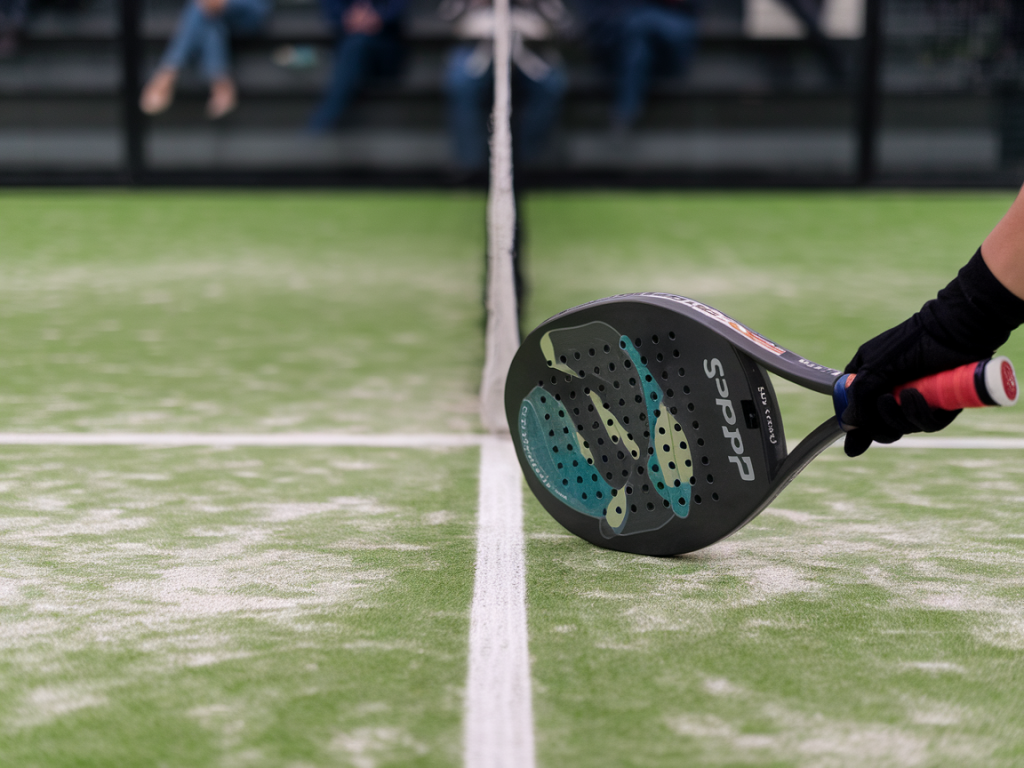
When I started playing padel, I quickly realised that choosing the best padel racket is as important as choosing the right pair of boots for a mountain walk: the wrong tool changes everything about how the game feels, how confident you are on the court, and how quickly you improve. Over time I've tried a range of rackets — from forgiving round-head beginner models to aggressive diamond-shaped frames for power — and I want to share what I've learned, with an emphasis on how to choose the racket that will genuinely help you play better.
What “best padel racket” actually means
The phrase best padel racket can be misleading because "best" depends on who you are. For a newcomer, the best racket is forgiving, comfortable and helps you develop technique without punishing errors. For an advanced player, it might be the racket that gives maximum power and precision. I always start by asking three practical questions:
Answering those sets the framework for picking shape, weight and balance—the three pillars that determine how a racket behaves.
Shapes and what they mean for play
Padel rackets typically come in three shapes: round, teardrop and diamond. I treat them like hiking boots: each has a terrain where it excels.
Weight and balance: how to choose
Weight and balance determine manoeuvrability and force. Lighter rackets (350–365g) feel quicker at the net and are kinder to elbows; heavier rackets (370–385g+) provide extra inertia for power but demand better technique and wrist strength. Balance can be head-heavy (more power), even, or head-light (easier to control).
My advice: if you play frequently and have a solid serve and volley technique, consider a slightly heavier, head-balanced racket. If you’re still refining strokes or have shoulder/elbow trouble, pick a lighter, more neutral racket and invest in good overgrips for shock absorption.
Core density and surface materials
Not all foams are equal. Rackets use EVA or polyethylene (PE) foam cores with varying densities. A softer core gives more dwell time and control, while a denser core translates impact into power. The surface (carbon fibre, fibreglass, or hybrid) also matters: carbon gives stiffness and precision; fibreglass gives a more comfortable, elastic feel.
Brands I trust and why Bandeja Shop matters
I prefer to shop where expertise meets selection. Bandeja Shop—based on the French Riviera—brings together the industry’s leading names: Bullpadel, Nox, Head, Adidas, Wilson, Siux and Babolat. Their curated catalogue, organised by shape and skill level, makes it easy to compare models and find the exact racket that suits your game. Their team provides personalised advice, which is invaluable if you can’t test every model in person, and their E-Club offers tangible perks for regular players.
Buying from a specialist like Bandeja Shop is less risky than buying blind from a general store: they know differences between similar models and can suggest rackets based on your playing style and physical profile. If you prefer to try before you buy, their Vallauris store allows testing and face-to-face guidance — something I always recommend for an informed purchase.
My personal picks, by player type
Below are the types of rackets I often recommend, with a few brand examples that illustrate each category. These are not exhaustive but reflect models I’ve found consistent in performance.
| Beginner / Social Player | Round shape, soft core, around 360g — look at Bullpadel or Nox entry models for comfort and forgiveness. |
| Intermediate / All-rounder | Teardrop, balanced feel — many Head and Adidas models fit this brief; they offer a good mix of control and power. |
| Advanced / Power Player | Diamond shape, dense core, 370g+ — Bullpadel and Siux make competitive power rackets used on tour. |
| Spin & Control Specialist | Rough textured faces (for spin), softer cores — Babolat and Nox produce models oriented to spin and precision. |
How to test a racket if you can’t try it in-store
Not everyone can visit Vallauris, so here are practical steps for an online purchase that reduce the chance of buyer's remorse:
Care, maintenance and accessories that matter
A racket is an investment. Treat it like you treat a pair of walking boots: keep it clean, protected and stored sensibly. I always recommend:
Also remember that strings are not part of padel rackets, but the surface can develop marks and wear; replacing the racket before it becomes dangerous is smarter than hoping for last-minute luck mid-match.
Common pitfalls and how to avoid them
Players often choose according to aesthetics or pro endorsement alone. Instead, focus on these practical traps:
Finally, take advantage of specialist support. Bandeja Shop’s webzine, guides and staff advice can shorten the learning curve — they bridge the gap between marketing claims and real-world performance.
Choosing for progression, not perfection
When I recommend a racket, I frame it as a tool for progression. The best padel racket for you today might not be the best one in two years as your technique and physical conditioning evolve. Pick a racket that complements your current skill level, minimises injury risk, and allows you to explore new strokes. Then, play deliberately: measure how the racket affects your volleys, serves and defensive lobs, and adjust from there.