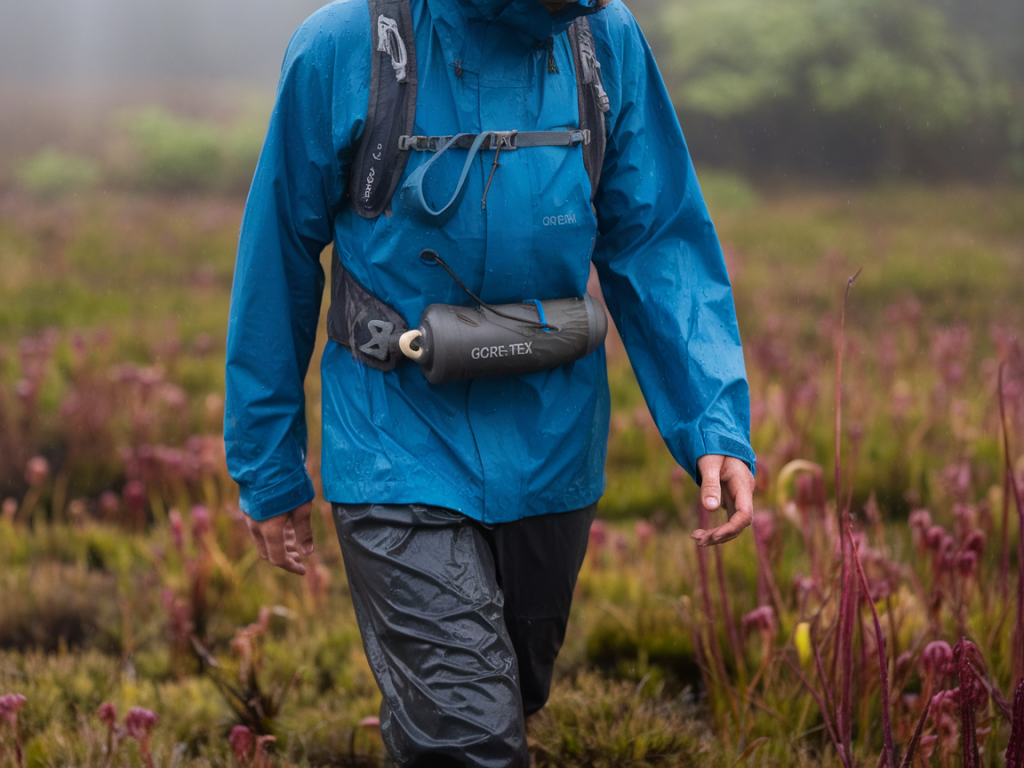
Peatland walking is a different animal. It’s wet from below and often wet from above, with long tussocky stretches, hidden drains and a weather system that likes to change its mind every hour. I've spent week-long trips across British peat bogs testing jackets and shells to see which waterproof membranes actually keep you dry, comfortable and moving without overheating. Below I share what I learnt from real conditions — long days, steep bog-cut edges, wind-battered ridges and the slow, persistent damp of peat underfoot.
What matters most on peatland hikes
Before we talk membranes, remember that peatland hiking is about the whole system: clothing layers, ventilation, gaiters, boot choice and how you move. For week-long trips you need durability and comfort as much as technical performance. The things I value most are:
Membranes I tested in the field
Over multiple trips I rotated shells with the major membrane types: classic Gore-Tex (including Pro and Active variants), eVent, and a selection of so-called "waterproof hybrid" constructions — jackets using a laminated membrane in the body with waterproof-treated fabrics on sleeves or vented textile panels to boost breathability. Brands included Arc’teryx, Rab, Montane, Berghaus and Paramo (Paramo uses different principles — I include it to demonstrate an alternative approach).
Gore-Tex: the dependable classic
Gore-Tex performed exactly as advertised: dry in heavy rain, robust and long-lasting. In the Pro variants the fabric is thicker, which adds abrasion resistance — useful when you're brushing through heather or hauling a pack. The Active and lighter Gore fabrics were noticeably more packable and ventilated, but trade-offs exist in durability.
Strengths I observed:
Weaknesses:
eVent: breathability that matters
eVent’s open-pore membrane approach stands out for breathability. On long ascents with a heavy pack, eVent shells shed moisture from sweat more effectively than many Gore variants. That means less internal damp and fewer mid-hike clothing changes.
Strengths:
Weaknesses:
Waterproof hybrids: a pragmatic compromise
Hybrid jackets are built on the idea that you don’t need equal waterproofing everywhere. Often the chest and shoulders get a full laminate while side panels or the underside of the arms use more breathable softshell or patterned fabrics, sometimes with DWR finish. On peatland walks this can work well if designed with thought.
Strengths:
Weaknesses:
Paramo and Nikwax-style systems: a different philosophy
Paramo’s directional fabrics and Nikwax-treated garments should be considered an alternative rather than a direct membrane competitor. They move moisture effectively without a waterproof laminate, but they rely on correct layering and are heavier. On week-long peatland routes they worked well in mixed conditions but needed careful maintenance — reproofing and brush-drying at camp went into the routine.
How I tested — the conditions that matter
My tests weren’t lab-based. They were multi-day circuits in the Flow country, the Pennines’ peat moors and western blanket bogs, with:
I tracked internal humidity by how often I had to change baselayers, how quickly DWR failed, and whether water ever crossed seams or zips. I also noted abrasion points after several days of scouring through vegetation.
Practical tips for choosing a membrane for week-long peatland hikes
Quick comparison table
| Membrane type | Best for | Drawback |
|---|---|---|
| Gore-Tex (Pro/Active) | All-round waterproofing, durability | Can trap heat on long climbs; weight (Pro) |
| eVent | High-breathability exertion days | Sensitive to contamination; less abrasion resistant |
| Waterproof hybrids | Balanced ventilation and protection; lighter | Quality varies; possible ingress in wind-driven rain |
| Paramo / treated textiles | Comfort over long-days, directional moisture movement | Heavier, needs maintenance and layering discipline |
Final practical kit notes from the trail
On a week-long peatland route I now pack a high-quality Gore or eVent shell (depending on the expected exertion), paired with waterproof gaiters and a softshell or hybrid mid-layer. I prefer a jacket that combines a fully laminated shoulder/hood area with ventilated side panels — this guards against heavy rain from above while letting core sweat escape. I also keep seam tape repair strips and a small packet of DWR reproof spray in my repair kit.
In short: if your walking is hard, sustained and you expect to work up a sweat while staying in wet terrain, prioritise breathability (eVent or a well-designed hybrid). If you need bulletproof protection and rugged durability for years of heavy use, a Gore-Tex Pro jacket remains a safe, long-term choice. Both approaches work — the key is understanding the trade-offs and matching the membrane to the terrain and your style of walking.