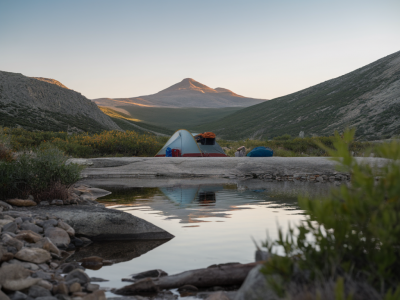
Peatland marches are a different kind of wet. It's not just rain that reaches you — it's the slow, cold soak from peat bogs, the spray from tussocks, the constant humidity that traps heat and keeps you damp long after the shower. Over the years I've tested jackets and boots across dozens of peatland miles, and one question keeps coming up: which waterproof membrane actually performs best for long, boggy walks — Gore-Tex, eVent or the newer waterproof hybrids?
What I mean by “performs best”
Performance can mean different things to different walkers. For me on a long peatland day it boils down to three practical factors:
Those priorities shape the rest of this piece. I’ll draw on kit I own, field tests and the kind of wet, windy, peat-heavy conditions that make a membrane earn its keep.
Quick primer: how the membranes differ
Gore-Tex (various generations) uses expanded polytetrafluoroethylene (ePTFE) with a protective outer face and inner backer. It’s a laminate system with a strong reputation for consistent waterproofing and decent breathability. Gore-Tex Pro, Active and Paclite exist for different uses.
eVent takes a slightly different approach: it’s a direct-venting membrane. The idea is that the membrane allows moisture vapor to pass directly through rather than relying on a secondary layer—this can give a breathability edge in active use.
Waterproof hybrids covers a broad group: PU laminates, proprietary coatings, and fabrics like Pertex Shield, Dermizax, or DriLayer. Some are two-layer systems aimed at a balance of breathability, weight and cost; others are softshell-type membranes with a waterproof layer and stretchy face fabric.
Field experience: peatland walking specifics
I don’t test membranes on a treadmill — I test them on peat hags, wet heather, sticky boots and long climbs where you sweat under a pack for hours. Those conditions reveal different weaknesses:
In my experience, the gap between lab-stated breathability numbers and what you feel on the hill is huge. Fit, venting options and how you layer matter as much as the membrane itself.
How they compare on peatland marches
| Attribute | Gore-Tex (ePTFE) | eVent | Waterproof hybrids (PU, Pertex etc.) |
| External waterproofing | Very reliable; excellent seam sealing available | Comparable to Gore-Tex | Good initially; some PU coatings can degrade faster |
| Breathability under sustained exertion | Good, especially Gore-Tex Active; can lag when layered poorly | Often better in active use due to direct venting | Varies widely; modern hybrids can be very breathable but not all |
| Durability | High; long-lasting in heavy use | Good, but some versions need careful care | Varies — softshell hybrids can be durable; cheap PU can delaminate |
| Comfort/flexibility | Typically structured; newer lines are lighter and more flexible | Often more comfortable for aerobic movement | Hybrids scored highly for stretch and movement |
What I reach for and why
For long peatland marches where I expect sustained effort and mixed weather, my go-to is often a garment with a direct-venting mindset — either an eVent jacket or a hybrid with excellent ventilation and a good face fabric. Why?
That said, I also own Gore-Tex Pro pieces for harsher, battering-wind days where shield from driving spray and maximum abrasion resistance are priorities. Gore-Tex is exceptionally reliable for long-term waterproofing — it’s a hard choice to beat for kit that sees frequent, intensive use.
When hybrids make sense
Waterproof hybrids deserve a close look. Modern softshell hybrids (think brands such as Rab’s Pertex Shield or Mountain Equipment’s laminated fabrics) blend stretch, low bulk and surprising water resistance. For peatland walking I’ll choose a hybrid when:
But hybrids can vary enormously: cheaper PU-coated jackets lose performance as the coating ages. Always check the product’s intended use and warranty.
Practical tips that matter more than membrane name
Here are field-tested practices that will often improve your comfort more than choosing one membrane brand over another:
Notes on footwear and gaiters
On peatland marches you expose not just your torso but your feet to moisture. Many waterproof boots use Gore-Tex linings; they are excellent at keeping external water out, but breathability in boots is hampered by foot heat and sock layers. I use gaiters with both Gore-Tex and eVent boots for extra protection from bog splashes and sphagnum moss.
In boots, the membrane’s benefit is more about preventing water ingress from the outside than managing sweat — if you’re crossing wet tussocks, a solid waterproof lining beats breathable but porous footwear every time.
Final field-advice (no brand worship, just honesty)
If I had to recommend a simple approach: choose a breathable, vent-able jacket first (eVent or a breathable hybrid), and pair it with a rugged Gore-Tex shell or boot if you need long-term abrasion resistance and absolute external waterproofing. Maintain DWR regularly, use ventilation proactively, and treat membranes as part of a system rather than a silver-bullet solution.
On the peat, the difference between staying warm and getting chilled is often less about the membrane’s label and more about how you use it. That said, for sustained exertion across wet, boggy ground, I’ll usually pick direct-venting or hybrid breathable pieces for my upper layers and a proven Gore-Tex option where absolute waterproof durability is the priority — for example in heavy sustained rain or when I need a hard-wearing jacket to last season after season.