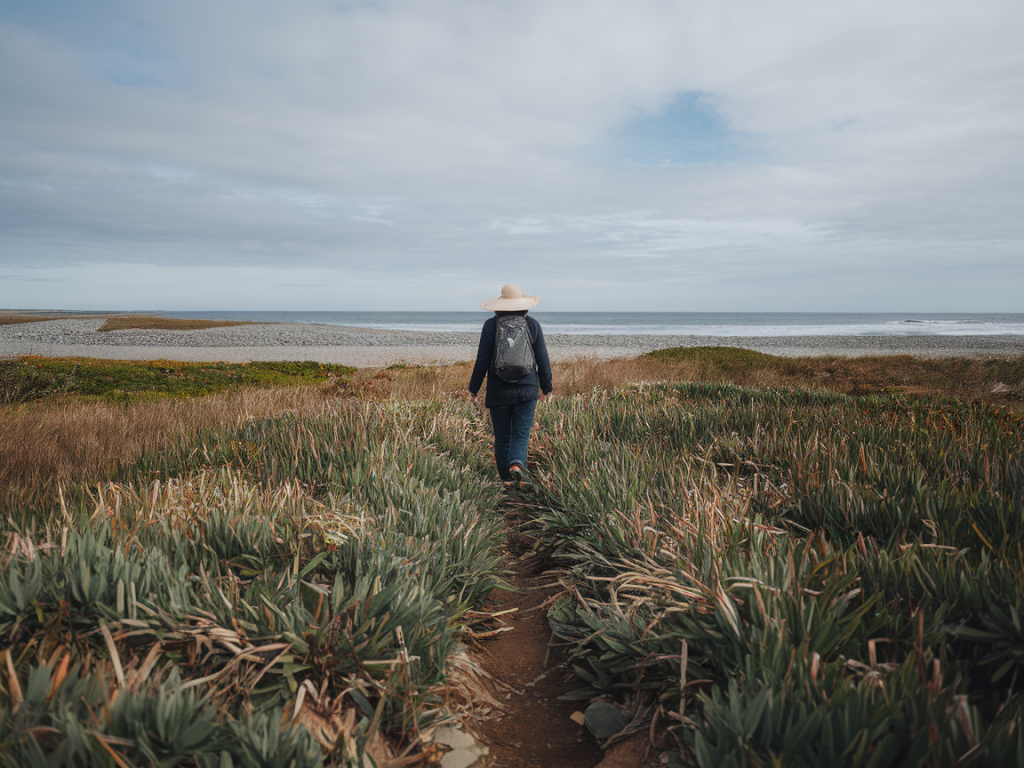
Coastal grasslands and shingle strands are some of my favourite places to walk: a thin, wind‑scoured band where sea, salt, and soil meet. They feel fragile because they are — thin soils, specialised plants and birds that depend on open, disturbance‑free spaces. Over the years I’ve learned that small changes in behaviour make a big difference. Below I set out practical, field‑tested ways to leave no trace while still enjoying these favoured edges of Britain.
Understand what makes these places fragile
Before you arrive, it helps to know why coastal grasslands and shingle are sensitive. Shingle ridges are essentially piles of pebble and shell with little organic matter: vegetation takes decades to establish. Coastal grasslands often sit on thin soils and host rare, specialised plants such as sea thrift, yellow horned‑poppy or wild thyme. These habitats are prone to erosion, trampling and invasion by garden escapees if people and dogs don't stick to sensible lines.
Choose your route and timing thoughtfully
I plan routes to avoid the most vulnerable zones. That means:
When there isn’t a clear path, follow the most durable surfaces: hard shingle, exposed rock or well‑worn grass. Moving across a pebble ridge causes far less damage than scuffing soft turf where plant roots are shallow.
Footwear, lines and flagging — how to walk badly and how to walk well
We tend to take pride in “making our own way” but that’s often the worst thing for a fragile shoreline. I stick to a simple rule: walk where the ground is already worn. That might feel odd at first on a quiet shingle strand, but using the same line reduces the total area impacted.
Dogs and wildlife — managing access responsibly
Dogs are part of many coastal trips, but unchecked running and digging devastates nests and fledglings. I keep my dog on a lead during the breeding season and near colonies of nesting terns, plovers and oystercatchers. If you see signs asking for leads, take them seriously — those signs are often put there after observers recorded repeated disturbance.
Camping, fires and overnight stays — leave no scar
Camping on shingle or coastal grassland requires strict discipline. In many sites it’s prohibited for good reason. If you plan to camp:
Photography and wildlife watching — be patient, not intrusive
As a photographer I’m often tempted to push into tight places for a better angle. I’ve learned restraint. Patience, a longer lens and low, handheld shooting are far better for both birds and plants.
What kit helps you leave no trace?
| Item | Why it helps |
|---|---|
| Lightweight stove (eg. MSR PocketRocket) | Reduces need for fires that damage vegetation and leave scars |
| Long‑range lens/compact camera | Allows distance from wildlife, preventing disturbance |
| Bag for dog waste and litter | Prevents nutrient enrichment and pollution |
| Groundsheet or footprint | Protects soil and plants beneath tents |
Plants that need your respect — and how to spot them
On shingle look for low cushions of vegetation and mats of moss; on grasslands watch for bright carpets of thrift, kidney vetch or early marsh orchids. If you accidentally step on one, resist the idea of “sticking a plant in a new place” — replanting rarely works and can injure roots. Instead, step back and avoid the area on return trips.
Dealing with invasives and garden escapees
Coastal margins are often fronts for non‑native plants that thrive in disturbed soils. If you spot Himalayan balsam, rhododendron or garden lupins spreading into wild areas, report it to the local authority or conservation group rather than trying to remove it yourself. Well‑intentioned pulling can spread seeds or roots further.
Leave nothing but footprints? Think beyond that
Leaving no trace also means leaving knowledge and support. I try to:
How to respond when others don’t follow the rules
Confrontation rarely helps. I favour calm curiosity: a friendly chat about why a certain patch is closed, or pointing out that birds are nesting can often change behaviour. If you encounter blatant disregard — fires on dunes, heavy summer parties on sensitive grasslands — alert the landowner, the local parks team or Natural England rather than trying to manage it alone.
Small habits that scale
Some habits feel tiny but stack up across thousands of visitors:
Walking Britain’s coastal edges is a privilege. If you go prepared to protect what you love — choosing durable lines, respecting wildlife seasons, using the right kit, and supporting local conservation — you’ll leave these places as good (or better) for the next person who comes to stand where land meets sea.