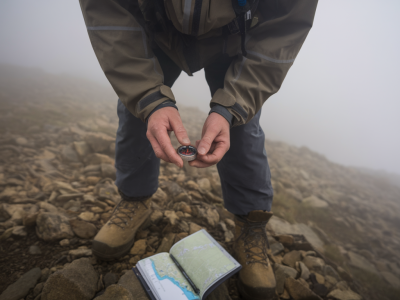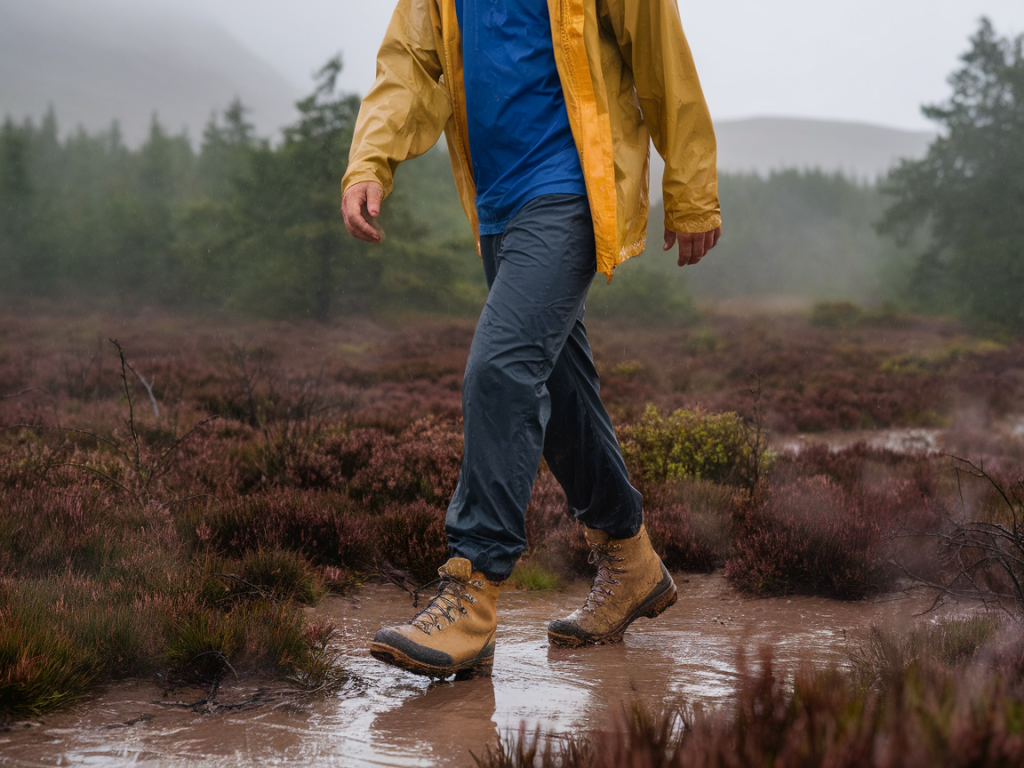
Every few miles on a long Borderhike route I find myself sinking into that soft, sodden world of heather and peat — boots disappearing, water seeping in from some cunning breach I didn't even notice. Choosing the right walking boots for wet heather and blanket bog is more than a gear checklist: it's about confidence on wet ground, about keeping your feet warm and dry for a full day in places that can quickly turn from beautiful to miserable. Over years of walking Britain’s margins I’ve learned which features matter and which are marketing fluff. Here’s a practical guide from boots I've tested in real bog, peat hag and heather country.
What makes wet heather and blanket bog challenging?
Blanket bog is a sponge. It holds water, it’s uneven beneath a deceptively firm surface, and it can hide deep pools under a crust of vegetation. Heather adds a snagging element — twigs and branches that tug at laces, soak socks and abrade leather. The result is a set of demands for your footwear:
- Waterproofing that lasts
- Good grip on soft, tussocky ground
- Support for uneven, often boggy terrain
- Comfort for long miles, with minimal water retention when wet
Upper materials: leather, synthetic or hybrid?
Leather (full-grain or nubuck) still wins for durability and long-term waterproofing when properly cared for. A quality leather boot with a stitched sole will tolerate abrasive heather and peat better than most synthetics. My Meindl and Scarpa leather pairs have survived brambles and bog-holes that shredded light synthetic uppers.
Synthetics (mesh with PU overlays) are lighter and dry faster when they do get wet, but they tend to soak up water and cling to socks, increasing weight and cold. A hybrid — leather heel and toe with synthetic panels — can give a sensible compromise: durability where it’s needed and reduced weight where it isn’t.
Waterproof membranes: are they reliable?
Membranes like Gore-Tex and eVent keep external water out while allowing some breathability. In persistent wet peat they’re invaluable, but they’re not invincible. Membranes rely on the outer material remaining uncompressed and the membrane staying intact. If water soaks the upper to the point it’s saturated, or if internal wetness builds up, breathability suffers.
My tip: treat a Gore-Tex boot as a moisture barrier, but pair it with good socks and gaiters. Also remember that waterproof membranes don’t prevent water entry from the top — gaiters are essential for long boggy sections.
Sole and tread: what grips peat and wet heather?
Deep, widely spaced lugs are what you want. Peat and tussocks need lugs that can bite into soft ground and shed mud. Vibram soles with multi-directional lugs are a common choice; so are softer rubber compounds that grip wet vegetation. Avoid flat, smooth soles — they’ll slip on peat hummocks and wet heather.
Flex also matters. A stiff boot spreads your weight over the ground and can prevent sudden twists, but too stiff and you’ll lose feel and struggle on uneven tussocks. For the Borderhike-style routes I favour a medium-stiff sole that supports your ankle but still allows some articulation.
Ankle support vs weight: choosing a style
High boots offer better ankle support and keep out surface water; they also help when you need stability over ruined peat hag edges. Low-cut trail shoes are lighter and dry faster, but on true blanket bog I’ve always preferred a mid- to high-cut boot. For multi-day peaty terrain I sacrifice a little weight for the confidence of ankle support and splash protection.
Fit, heel-to-toe drop and foot shape
Socks, footbeds and fit can be more decisive than brand. Try boots with the socks you’ll wear on the hill, walk long enough in the shop to feel any pressure points, and allow a thumb’s width of toe room for downhill. A snug heel prevents blisters. If you need wide feet or high insteps, seek models with different lasts — Salomon, Lowa, and Meindl offer varied fits.
Lower heel-to-toe drop can help with balance on tussocky ground but may feel unfamiliar if you’re used to more cushion. I’ve settled on boots with a modest drop and a supportive midsole that’s not overly cushioned; that combo handles sharp peat edges without compromising ground feel.
Gaiters, socks and drainage
- Gaiters: Essential. Full-length gaiters with robust ankle protection keep heather and water out. For boggy routes I use eVent or Gore-Tex gaiters so they don’t muffle sweat.
- Socks: Merino blends that wick and retain warmth when damp. Avoid thick cottons — they stay wet and cause blisters.
- Drainage: Some boots have drainage ports (more common in summer sandals); typically not practical for bog walking because they admit water quickly. Better to keep water out.
Maintenance in the field and at home
After a day in peat, rinse boots to remove acidic bog water — it’s surprisingly corrosive over time. Brush off debris, let them dry naturally (avoid direct heat), and condition leather with a suitable wax or oil to maintain water repellency. Reproof synthetic uppers occasionally with spray-on DWR.
Carry a small repair kit on longer routes: strong thread, a needle or sticky patches, and Zip ties have fixed more than one strap for me. A spare pair of socks in a dry bag is a non-negotiable.
Brand and model suggestions I’ve used
| Type | Example Models | Why they work |
|---|---|---|
| Full-grain leather mid | Meindl Vakuum or Scarpa Kailash Trek GTX | Durable, good waterproofing and ankle support for peat and bracken |
| Hybrid leather/synthetic | Asolo Fugitive GTX, La Sportiva Nucleo High II | Balance of weight, durability and breathability |
| Lightweight waterproof trail | Salomon X Ultra 4 GTX | Grippy sole, lighter packweight for shorter wet hikes |
On choosing for specific trips
If I’m heading out for a day of heather and intermittent peat pools I’ll choose a mid-cut, hybrid boot with a grippy Vibram sole, pair it with lightweight waterproof gaiters and merino socks. For multi-day trips over extensive blanket bog I’ll go full-grain leather with a well-broken-in sole and heavier gaiters — it’s more work to maintain, but it keeps my feet warmer and drier for longer.
Tests to try before buying
When you try boots on, do this quick field test: put on the socks you plan to use, lace up fully, then walk down a slope and back up, pivot, and squat. Feel for hotspots, heel lift, and any pinching. If a shop lets you walk on uneven surfaces or steps, use them — it reveals how the sole negotiates tussocky ground.
Ultimately, the “right” boot for wet heather and blanket bog is one that matches the terrain you’ll face, fits your foot and your pace, and that you’ll maintain. In my experience the best investments are quality leather or hybrid uppers, a grippy sole, reliable waterproofing and sensible gaiters. With the right setup, those soggy miles become part of the landscape’s charm rather than a test of endurance.