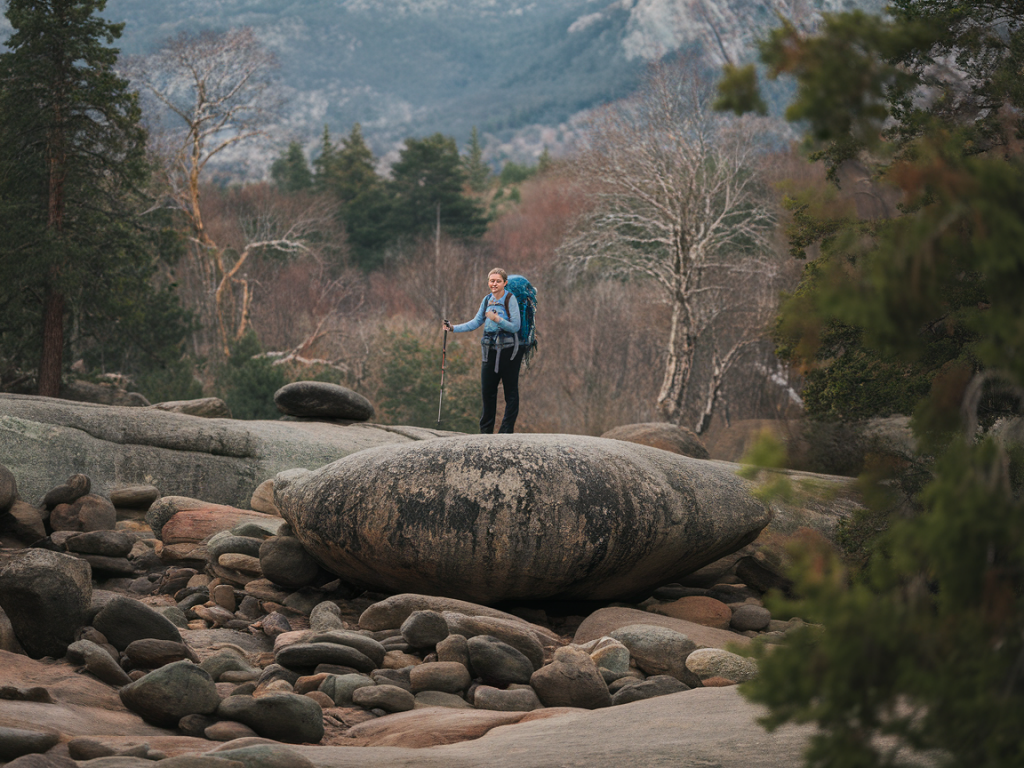
I spend a lot of time on long, mixed-terrain day hikes — coastal cliffs, heathered peat, stony upland tracks and muddy forest rides. Over the years I’ve learned that being able to walk all day is as much about sensible training as it is about good kit. You don’t need a gym membership or fancy equipment to get fit for a 20–30km day over varied ground; you need targeted strength, endurance and mobility sessions that fit into a normal week. Below are the practical, at-home routines I use and recommend to prepare for long, mixed-terrain hikes.
What I aim for when training for long day hikes
My training priorities are simple and specific to walking: build walking-specific endurance, strengthen the muscles that carry and stabilise my body on uneven ground, and keep hips, ankles and thoracic spine mobile so I can load up a pack without getting stiff. I also include balance and proprioception work because a lot of walking strain comes from repeated small corrections on rocky or rooty trails.
How to structure your week
I design a week with three main pillars: endurance, strength and active recovery/mobility. One or two longer walks (or loaded treadmill sessions) build mileage; two shorter strength sessions keep the legs, core and hips robust; and at least one mobility session prevents stiffness and nagging injuries. Here’s a simple pattern that fits most lives:
- Long walk (or loaded walk) — weekend or free day
- Two short strength sessions (30–40 minutes) — midweek and weekend
- One or two short mobility/balance sessions (15–20 minutes)
- One higher-intensity interval session optional for faster fitness gains (20–30 minutes)
Endurance work: walk-specific conditioning
If you want to hike all day, you must walk — and preferably with weight. I replicate trail conditions at home in three ways:
- Loaded walks: Put on your daypack with the weight you plan to carry and walk for an hour or more. Start light (5–7kg) and increase to your actual pack weight over several weeks. I use this method for adapting shoulders and hips to load.
- Stair or hill repeats: If you have stairs at home or a local hill, do 20–40 minutes of steady uphill walking to build climbing endurance. Weighted vest or backpack increases specificity.
- Tempo walks: Once a week, do a steady 45–90 minute walk at a brisk pace — the kind of pace you could sustain for several hours without gasping. This raises walking economy.
When time is tight, use the treadmill on an incline for 40–60 minutes with a loaded pack. It’s not the same as uneven terrain but it builds the specific muscles and cardiovascular base you need.
Strength sessions you can do at home
My strength work focuses on single-leg strength, hip stability, posterior chain and core. All of these reduce fatigue and protect against twisted knees or rolled ankles on rough ground. No fancy gym machines are necessary — a pair of adjustable dumbbells, a resistance band and a chair are enough.
Sample routine (30–40 minutes):
- Warm-up (5–7 minutes): marching on the spot, leg swings, walking lunges and toe walks.
- Bulgarian split squats — 3 sets x 8–12 reps per leg: great for single-leg strength and balance. Use dumbbells or bodyweight to start.
- Romanian deadlifts — 3 sets x 8–12 reps: targets hamstrings and glutes, essential for steep descents and loaded walking.
- Step-ups — 3 sets x 10 reps per leg: mimic stepping up onto rocks and stiles; use a sturdy step or bench, add weight for progression.
- Side-lying clams or banded lateral walks — 3 sets x 15 reps: hip abductor strength stabilises the pelvis on uneven ground.
- Single-leg calf raises — 3 sets x 12–15 reps: strong calves help on long ascents and prevent cramping.
- Plank variations — 3 sets x 30–60 seconds: a stable core helps with load carriage and reduces fatigue.
- Farmer carries — 3 rounds x 40–60 seconds: walk with heavy dumbbells or kettlebell to simulate carrying weight and challenge grip and posture.
Mobility, balance and injury prevention
Mobility is what keeps me moving easily after hours on feet. I prioritise ankle dorsiflexion, hip extension and thoracic rotation. Short mobility sessions after strength or walks pay off more than longer, infrequent stretches.
- Thoracic rotations: 10–12 per side
- Hamstring and hip-flexor dynamic stretches: lunges with reach, leg swings — 8–10 per side
- Ankle mobility drills: heel-toe rocks and banded ankle distractions — 30–60 seconds each
- Single-leg balance with eyes closed: 3 x 30 seconds per leg — do it while brushing your teeth if you’re pressed for time.
Sample 6-week at-home plan
| Day | Session |
|---|---|
| Monday | Strength session (30–40 min) + short mobility (10 min) |
| Tuesday | Tempo walk 45–60 min (light pack if possible) |
| Wednesday | Active recovery: easy walk 30 min or mobility + balance |
| Thursday | Strength session (30–40 min) + short mobility |
| Friday | Optional interval/hill repeats 20–30 min or rest |
| Saturday | Long walk: 2–4 hours loaded, or progressive increase toward goal distance |
| Sunday | Rest or easy active recovery (short stroll, gentle stretching) |
Progression and how to avoid setbacks
Increase either volume (time/distance) or intensity (weight, incline), but never both at once. If you’re adding pack weight, keep the distance steady for a couple of weeks while your body adapts. If you feel joint pain (not muscular soreness), back off and focus on mobility and lighter strength. I’ve learned to treat niggles early with extra stretching, temporary volume reduction, and sometimes targeted massage or rolling.
Practical tips that make training translate to the trail
- Train with the gear you’ll use: your boots, socks and pack all change how your body moves. A few loaded practice walks in full kit prevents surprises.
- Practice terrain-specific skills: deliberately walk on uneven ground, try side-stepping down steep banks, and practise descending with short, controlled steps. These skills save energy on the day.
- Fuel and hydration practice: use the same snacks, bottles, and timing you plan for the hike. Find what your stomach tolerates on the move — for me it’s oat bars, salted crisps and a mix of water with an electrolyte sachet.
- Recovery matters: good sleep, protein in the hours after long or hard sessions, and gentle mobility the next day speed adaptation.
Gear notes that matter for load and comfort
A comfortable pack that fits your torso and has a supportive hipbelt reduces demand on your back and shoulders. I recommend testing packs from Osprey, Gregory or lighter brands like Zpacks if you’re aiming to shave weight. Likewise, a pair of well-broken-in hiking boots or sturdy trail runners that suit your ankle preference will change how much strength you need in your calves and ankles.
Finally, be patient. Strength and walking economy build steadily: the first few weeks often feel slow, but keep the work consistent and you’ll notice hikes becoming easier, steadier and more enjoyable. If you want, tell me about your upcoming route and I’ll suggest how to tailor these sessions to the specific demands of the terrain.