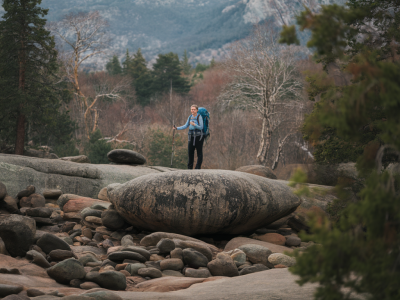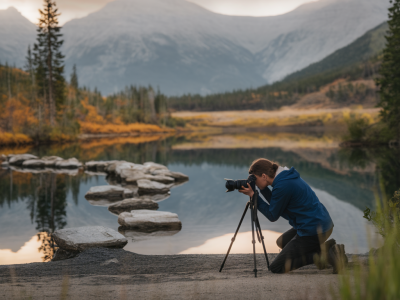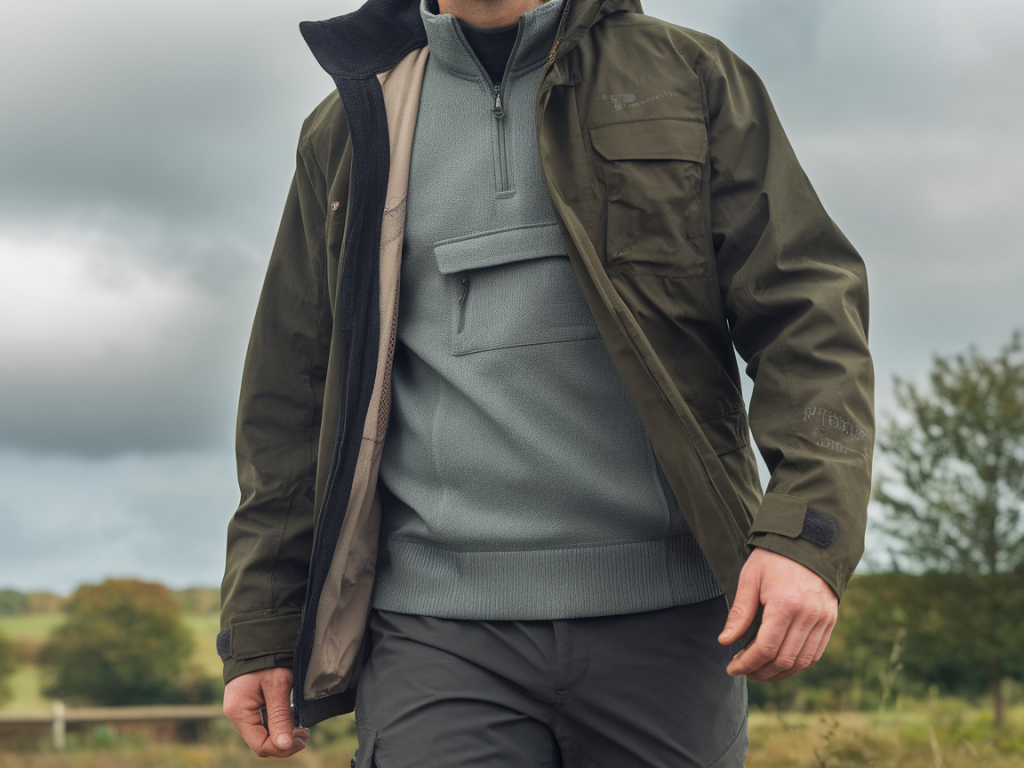
When I set out for a day on Britain's wild edges I expect three seasons in a single walk: a wet morning, a bright but blustery afternoon, and a chilly, damp evening. Selecting layers for that unpredictability is part kit, part judgement. Over thousands of miles on coastal cliffs, peatlands and upland ridges I've come to rely on a small wardrobe of pieces that breathe when I'm working hard, block wind when I'm not, and shrug off rain without turning into a sweaty prison.
Start with the principle, not the product
The first rule I use is simple: breathable midlayer + proven waterproof shell. That combination lets me modulate warmth and ventilation without sacrificing protection. Breathable midlayers manage moisture close to the body; the shell protects from wind and driving rain. If either part fails — midlayer that traps moisture or a shell that doesn’t vent — the whole system breaks down.
Choosing a breathable midlayer
Midlayers do three jobs: retain heat, move moisture away from the body, and act as a buffer between base layer and shell. Which one I choose depends on activity level and temperature.
- Fleece (Polartec Classic or Power Stretch): My go-to for day-long hill walks. Fleece breathes well, dries fast, and continues to insulate when damp. Lightweight fleeces are excellent when you're moving; thicker, higher-loft fleeces are better for stops or colder conditions.
- Merino wool: I favour merino jumpers for lower-intensity days or when I want natural odour resistance on multi-day trips. Merino insulates even when damp, but it’s less wind-resistant and can be heavier than high-performance synthetics.
- Softshells (e.g. Pertex, Schoeller, Polartec Windbloc hybrid): These are a brilliant compromise if you need windproofing and abrasion resistance — useful on exposed coasts. True softshells let more moisture escape than laminated waterproofs and work best when paired with a venting shell or when the forecast is dry.
- Light insulated midlayers (synthetic or down): I carry a compressible synthetic-insulated jacket (PrimaLoft or equivalent) for fast evening warmth. Synthetic insulation is preferable in boggy conditions since it retains loft when wet. Down is unbeatable for weight-to-warmth ratio in dry conditions but needs careful use and a dry bag in a rucksack.
Key midlayer features I look for
- Fit: Not too tight, not too bulky. Enough room to move but close enough to trap a layer of warm air.
- Zippered vents: A full-length zip lets me dump heat fast while moving.
- Pockets: Handwarmer pockets that are accessible under a harness or pack hipbelt are unexpectedly useful.
- Weight vs durability balance: On coastal gorse and bracken I don’t want a fragile sweater; on long cross-country marches I prefer light & packable.
Picking a waterproof shell that actually works
By waterproof shell I mean a garment that keeps rain out and allows sweat to escape. There are two common approaches: fully waterproof laminates and highly breathable water-resistant shells. Both have their place.
- 3-layer laminates (Gore-Tex, eVent, Pertex Shield). These are my choice for prolonged rain and salty spray because they are robust and fully seam-taped. Gore-Tex and eVent have different technologies — Gore-Tex often trades a small amount of breathability for durability; eVent vents more aggressively but can be louder. Recent lightweight variants (e.g. Gore-Tex Active) prioritise breathability for high-output days.
- 2.5-layer shells. Lighter and more packable, good for occasional showers and summer storms. Less durable in rough terrain and can feel clammy during sustained exertion.
- Water-resistant softshells. These are superb for dry, windy days or light drizzle but will eventually wet through in full-on rain. I use them as a primary shell in spring and autumn where wind-blocking and breathability are critical.
Shell features that matter in practice
- Hood design: A good helmet-compatible hood with stiffened peak that sits close to the head reduces flapping and keeps water away from the face. I prefer hoods that adjust with one hand so I can tailor fit with gloves on.
- Pit zips/venting: Non-negotiable for anything involving uphill work. Pit zips let me dump heat without opening the front fully and exposing my torso to wind.
- Adjustable cuffs and a single-hand hem drawcord: These prevent drafts and help keep rain spray out when scrambling or descending.
- Durability in high wear areas: Reinforced shoulders and forearms stop abrasion from rucksack straps and bramble.
- Fully taped seams: If you’ll stand long in rain on exposed ridges or coastal cliffs, only fully taped seams give confidence.
System examples I use on the hill
Here are a few combinations I reach for, depending on conditions.
- Cold, dry winter day with high exertion: Merino base layer + lightweight fleece mid + Pertex-pile softshell for wind resistance + lightweight down/synthetic jacket in my pack. Shell optional unless it’s raining.
- Wet, windy coastal day: Synthetic baselayer + Polartec fleece midlayer (for fast drying) + 3-layer waterproof shell (Gore-Tex or eVent) with helmet-compatible hood. Compressible synthetic insulated jacket in pack for stops.
- Long summer day with intermittent showers: Breathable merino or synthetic base + light softshell mid + 2.5-layer packable shell with pit zips. If the rain looks persistent I swap to a full-laminate shell.
Common mistakes and quick fixes
People often assume waterproof = breathable; that’s not always true in real-world use. A heavy waterproof with poor venting will trap sweat. Conversely, many rely on softshells in places that need full waterproofing.
- Mistake: Wearing a heavy midlayer under a non-venting shell. Fix: open zips, add venting layers, or swap to a shell with pit zips.
- Mistake: Using down close to the body while sweating. Fix: keep down as a stop-gap for low-activity periods; use synthetic insulation if you expect damp.
- Mistake: Ignoring DWR maintenance. Fix: Reapply durable water repellent after washing — a fresh DWR beads water off the outer fabric and reduces wetting-out.
Care and maintenance
How you treat gear matters more than brand claims. Wash shells with a technical wash and reproof DWR when water stops beading. For down, use a specialist down cleaner and fully dry with tennis balls in a tumble dryer or air dry with patience. Replace worn cuffs or hook-and-loop fasteners before they fail on a wet day on remote moorland.
Brands and specific pieces I often reach for
Over the years certain items have earned my trust: lightweight Polartec fleeces from Patagonia or Rab, Pertex softshells, and 3-layer Gore-Tex or eVent shells from Arc’teryx, Montane or Rab for the rougher stuff. For insulated midlayers, PrimaLoft jackets from Montane and synthetic puffy jackets from Rab are staples because they strike the right balance across coastal and upland British conditions. I’m pragmatic about brands — fit and real-world performance beat marketing copy every time.
Ultimately layering is about flexibility: choose breathable midlayers that move moisture, pair them with shells that vent and shed the weather, and keep light, compressible insulation to hand for pauses and evenings. That mix lets me walk long miles along cliff tops and peat hags and still enjoy the view without being soaked through — or overheated — by the time I get there.