Why slack-packing a border route works for wild camping
Slack-packing — carrying a light daypack while your main kit is moved between overnight stops — is a sweet-spot approach for multi-day routes that cross rail links and settlements. On border routes you often swap between wild edges and small towns: trains and local resuppliers make it possible to travel light on the long walking sections and still enjoy the freedom of wild camping at night. I like slack-packing because it lets me move farther with less strain on knees and hips, spend more time watching tidal edges or peatland textures, and still sleep where the light and silence feel right.
How I plan a slack-pack wild camp trip
Planning is the difference between a dreamy route and a slog. My process is practical and landscape-led: map the route, plot rail links and resupply points, choose plausible wild camps, and decide which kit to shuttle and which to carry. I usually aim for 10–18 miles on walking days with trains available every 1–2 days. That allows me to pick a wild camp in a quiet bay, an inland peat hollow or a heather slope without forcing a long haul with a heavy pack.
Key questions to answer before you go
- Where are the train stations and what are the service frequencies? Check timetables and book bike-friendly or bulky-luggage options if needed.
- Which settlements can resupply food, gas canisters, and water? Consider small village shops that close early.
- Where are legal or low-impact wild-camping spots? Look for durable ground, discreet locations, and places where a stove won’t harm vegetation.
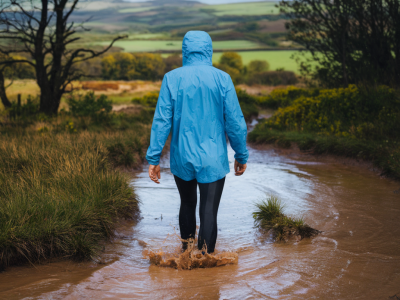
- What are the terrain and seasonal hazards — tides, river crossings, midges, peat bogs, or rapidly changing weather?
- Who will shuttle gear between nights? Will you use a local taxi, a courier, or a friend? Or will your train carry a duffel bag to the next station?
My step-by-step wild camp checklist for slack-packing
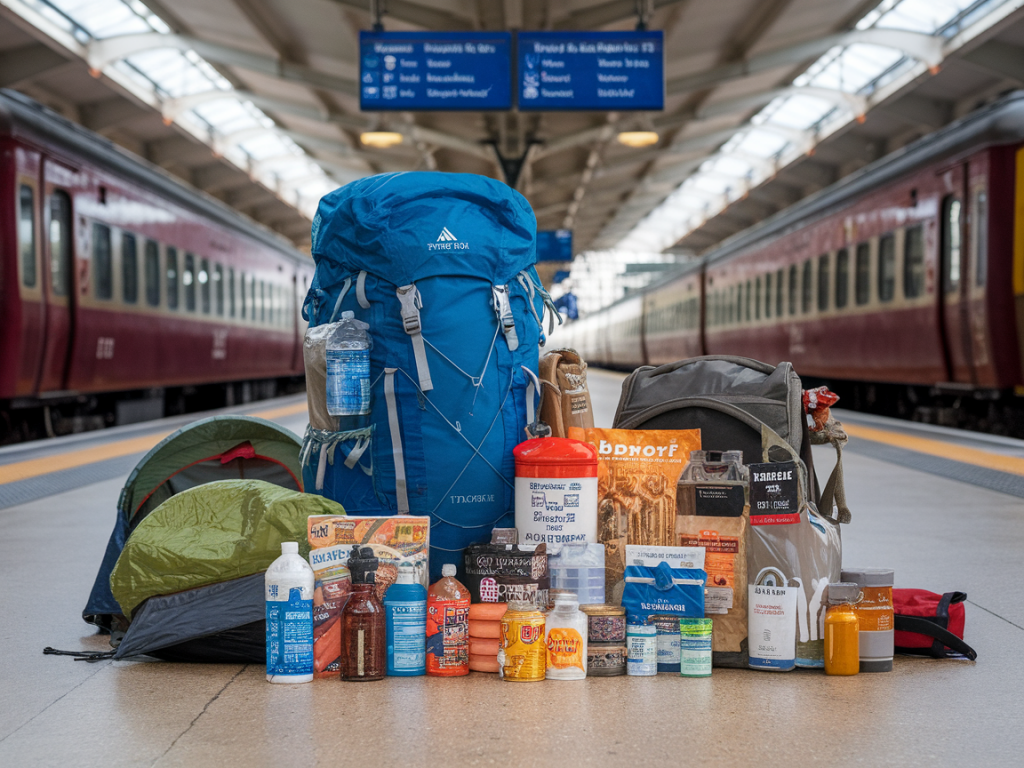
I break my checklist into planning, core kit (stuff I always have on me), packable items I send ahead, and consumables. Below is what I use on typical three- to five-day slack-pack border routes.
Planning checklist
- Route map and GPX loaded to phone and backup device (paper map and compass as fail-safe).
- Train timetables and advance bookings where necessary.
- Contact details for pubs, shops and taxi services at each stop.
- Wild-camp options pinned on maps (at least two per night).
- Weather forecast for each day, and tide times for coastal sections.
- Permits or permissions if crossing private land or designated conservation areas.
Core kit I always carry in my daypack
- Navigation: lightweight OS map, compass, phone with offline maps and a spare battery pack.
- Shelter: non-pitched minimal kit such as a tarp or bivi (I favour a 3-season tarp and an ultralight roll mat); I carry a few metres of strong cord for guying out.
- Sleep: down or synthetic quilt (compact) and sit mat; if I expect rain or midges I take a bug bivvy.
- Clothing: waterproof jacket (e.g. Rab or Montane), insulating midlayer, spare socks, buff, light gloves.
- Footwear: comfortable trail shoes or boots depending on terrain; gaiters for peat and heather.
- Hydration & food: 1–1.5L water bottle, water filter or tablets, and 1–2 days of lightweight food.
- Safety: headtorch, first-aid kit, whistle, emergency bivvy, lighter and waterproof matches.
- Leave No Trace kit: a small trowel for catholes, rubbish bags, and biodegradable soap.
- Camera: mirrorless or compact with spare battery (I shoot handheld and like to travel light).
Items I send ahead or stash at stations
These are heavier or less-urgent items I arrange to be delivered to the next station or left at a friendly cottage, B&B or pub. Sending them by courier to a post office or handing to a taxi driver works well.
- Full sleeping bag or a heavier quilt for colder seasons.
- Larger tent if you prefer a pitched shelter (especially in exposed coastal camps).
- Cooking pot, jetboil or small stove and spare gas canister.
- Extra food for 2–3 days, and snacks to replenish daypack supplies.
- Spare clothing and footwear, or wet-weather replacements.
Consumables and food strategy
I aim to resupply every 24–48 hours where possible. My mantra: carry enough for uncertain gaps but depend on local shops when they exist. Typical food items I pack include:
- Instant porridge, dehydrated dinners or rice packs for evening meals.
- Energy bars, nuts and dried fruit for day snacks.
- Tea/coffee sachets and a small pot for boiling water.
- Fuel canisters labelled and packed in the sent-ahead bag if required.
Practical tips for wild camping with trains and resupply
- Book trains with slack time: allow buffer between arrival, pickup of resupplied kit and the walk so delays don’t ruin your plan.
- Use robust drybags: keep sent-ahead gear waterproofed and clearly labelled with contact details.
- Respect local rules: some areas have seasonal restrictions, breeding bird closures or private land constraints — check before pitching.
- Choose durable pitches: camp on hard ground, rock or vegetation-free areas to protect fragile habitats like machair, saltmarsh and peat.
- Test your handoff: on the first day, practice collecting a small sent-ahead parcel at a station to smooth out timing and logistics.
- Mind wildlife and livestock: keep a respectful distance from nesting birds and sheep; store food securely.
- Charge smart: carry a 10,000 mAh power bank and top up at stations and cafes.
Quick gear table (compact overview)
| Category | Carry | Send ahead |
| Sleep | Ultralight quilt, sit mat | Full sleeping bag, tent |
| Cook | Minimal mug & stove (if light) | Pot, larger stove, spare fuel |
| Clothing | Waterproof + midlayer | Spare kit, boots |
| Food | Snacks + 1 day meal | Bulk meals & snacks |
Final practicalities I never skip
Tell someone your plan — expected trains, nights, and checkpoints. Photograph or jot down kick-out points where you can stop the route if weather or injury intervenes. And when you find the right wild camp — a shelved cliff patch, a peat basin with a small burn, or a wooded bench beneath birch — treat it gently: camp late, leave early, and carry out everything you brought in. Slack-packing makes the miles easier and the nights quieter; used thoughtfully, it’s a way to extend access to Britain's wild borders without paying for weight with the landscape's wellbeing.