When I’m walking upland routes that cross peatlands — whether a wind-scoured bog on a border ridge or a sodden moor beside a coastal climb — I carry two things beyond my map and waterproof: curiosity about how that landscape works, and a simple question: how can I help? Over the years I’ve learned that supporting peatland restoration doesn’t require a background in ecology. Small, informed choices made by walkers add up, and there are direct ways to help local projects that protect the very places we come to savour.
Why peatlands matter to walkers
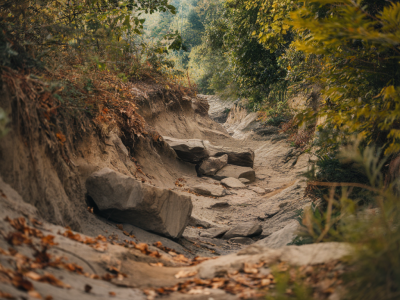
Peatlands punch above their weight. They store carbon, regulate water, support rare wildlife and give upland routes their distinctive feel — the springy hummocks, the slow-moving drains, the carpets of sphagnum. When peat is eroded by cattle tracks, over-grazing, drainage or thoughtless footfall it becomes a hazard for walkers (deep bog, hidden holes) and a source of carbon once-stored for millennia. That’s why restoration matters for everyone who loves upland country: it makes terrain safer, improves biodiversity and keeps the landscape resilient to extreme weather.
Learn before you act
Before you descend on a project or make donations, take a moment to find out what local groups are already doing. In Britain there are many active partnerships — Yorkshire Peat Partnership, Moors for the Future, local wildlife trusts, RSPB reserves — working with landowners and communities. I usually search for a county or catchment name plus “peat restoration” or check a site like Natural England or the relevant wildlife trust. Contacting a project coordinator first saves duplication of effort and helps you find the most useful ways to contribute.
Practical ways to support local peatland projects
Not all help has to be physical labour. Below are practical, achievable actions I use myself or recommend to readers:
What to expect on a restoration volunteer day
I’ve joined work parties where the weather was indifferent and the camaraderie was excellent. Typical activities include building heather or log dams to slow water flow, packing peat into erosion scars, and planting sphagnum or seeding bare peat. Leaders demonstrate safe techniques, provide tools (though robust boots and gloves are essential) and explain the ecological reasoning behind each task. Don’t worry about being “useful” — project teams will place you where you can help most. If you have a specific skill (chainsaw certificate, navigation training, catering) mention it when you sign up.
Low-cost, high-impact choices you can make right now
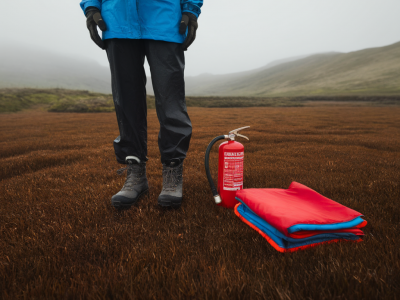
Some actions are free but effective. I always carry a small bag for litter — even though uplands are relatively clean, items left by others can damage vegetation and pose risk of wildfires. On the subject of fire: never light open fires on peat; they can burn underground and devastate huge areas.
| Action | Time/Cost | Impact |
|---|---|---|
| Volunteer for a restoration day | Half-day to full day / often free | Direct habitat repair, skills learning |
| Donate to a local peat partnership | Small regular donation | Materials and contractor funding |
| Use peat-free compost | Low extra cost | Reduced peat extraction demand |
| Follow existing paths and avoid braiding | Zero cost | Prevents further erosion |
| Report issues to authorities | 10–20 minutes to take photos/report | Helps get timely repairs |
How to donate wisely
When I donate I favour groups that work at a landscape scale and that have clear feedback on outcomes. Local partnerships often publish annual reports or case studies showing restored hectares, blocked drains and species recovery. Avoid vague carbon offset products that do not demonstrate real, measurable restoration on the ground. If a project offers the option, direct donations for specific elements (e.g., sphagnum propagation, contractor time for damming) can feel more tangible than general funds.
Responsible photography and interpretation
Photography is how I share place, but it comes with responsibility. Avoid disturbing nesting birds or trampling sensitive mosses for a shot. If you’re with a group, keep voices low in wildlife-rich areas. When sharing images online, tag the local project or reserve if appropriate — it helps raise their profile and shows positive examples of restoration in action.
Longer-term engagement
Restoration is a long game. I’ve seen restored peat take years to develop real resilience. For walkers who want to stay involved: subscribe to newsletters from local trusts, join regular volunteer sessions, or support community-led events that combine access and conservation (guided walks, citizen science mornings). Over time you’ll see the results of your efforts in wetter, greener bog, more abundant dragonflies, and more stable paths underfoot.
Supporting peatland restoration while visiting upland routes is about respect and reciprocity: we gain freedom to roam and in return we help care for the ground beneath our boots. Small actions, taken collectively and informed by local expertise, make that possible.