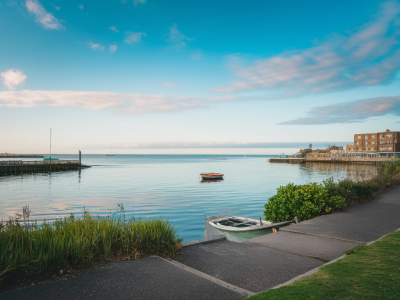
On an autumn morning I often find myself drawn to a strip of coast where the sea and sky meet in a muted grey and the only regular sound is the wind in the cliffs. Sea-watching in autumn has a particular mood: passage migrants skimming the waves, a scattering of terns and auks, and the long, patient gatherings of roosting gulls and waders. But these places can be deceptively fragile. Roosting birds are conserving energy for migration and winter; a single flush can cost them dearly. Below I share where I look for quiet coastal cliffs at this time of year and, importantly, how I keep my presence low-impact so those birds can rest.
Where I go when I want solitude and reliable birdlife
Not every cliff makes a good sea-watch. I seek a combination of accessibility, shelter from the worst of the wind, and a clear line of sight across nearshore waters. Some of my favourite types of site are:
- Low, grassy escarpments with gentle slopes — these often have informal footpaths that keep walkers off the most sensitive ledges.
- Recessed coves and headlands that offer a sheltered vantage point while keeping distance from tight roost sites.
- Sea stacks and offshore rocks visible from a headland; these concentrate breeding or roosting birds but can usually be observed from a respectful distance.
If you want specific regions, I tend to favour places where footfall is moderate but not heavy: parts of the Northumberland coast, quieter stretches of the Yorkshire coast outside peak summer, remote headlands in Cornwall and the far west of Wales, and scattered cliff systems in western Scotland. These areas combine accessible parking and rights of way with enough space to find a solitary perch.
Picking a precise spot
When I plan a sea-watch I look at three practical things before I go:
- Tides and wind: Low water can concentrate birds on exposed rocks, while onshore winds tend to push passage birds closer to shore. I check the tide tables and a reliable wind forecast (I like windy.app or Met Office for UK conditions).
- Access and escape routes: I identify the public footpaths and avoid routes that lead directly over known roosts. OS Maps and the online rights-of-way layers are good for this.
- Landscape features: I scan satellite imagery to find headlands with natural screening (clumps of gorse, folds in the cliff) that let me set up out of sight of roosting zones.
How to approach and sit without disturbing roosting birds
Being careful is mostly about three things: distance, concealment, and patience. Here’s the routine I use, refined after years of being chased off a few cliffs:
- Choose a quiet route: Approach from inland paths rather than tracking along the cliff top. This reduces the chance of startling birds from below.
- Stop out of sight first: If there’s a dip or a stand of vegetation, stop there, set up scopes or binoculars and scan before moving toward the cliff rim.
- Remain still and low: When you move to your watch point, keep a low profile. Sitting on the ground or a small folding stool reduces your silhouette against the sky.
- Use natural screening: Sit behind tussocks, boulders or gorse. Even a small visual barrier helps birds regard you as part of the landscape rather than an approaching threat.
- Keep dog control strict: Dogs are the most common cause of disturbance. If you bring one, keep it on a short lead and out of sight wherever birds are roosting.
How close is too close?
Distance matters more than exact numbers — species and context change the picture — but I use a few practical rules of thumb:
- For large gulls and oystercatchers, stay at least 50–100 metres away from tight roosts.
- For small waders and terns, assume 100–200 metres if they are loafing on beaches or rocks.
- For sensitive species (e.g. some alcids on stacks or wintering wildfowl), double that where possible.
If birds lift and circle rather than settling back down within a few minutes, withdraw quietly — you’re too close.
Watching gear that keeps disturbance low
I travel light and choose gear that helps me stay inconspicuous and comfortable for long spells. My kit typically includes:
- Compact scope or binoculars: A 20–60x spotting scope on a low tripod is ideal for observing distant rocks without walking nearer. For binoculars I favour 8x42 or 10x42 models — lighter to carry and easy to use while sitting.
- Neutral clothing: Dull greens, browns or navy; avoid bright colours that silhouette against the sky. I often wear Rab or Montane waterproofs for variable weather.
- Low shelter: A simple camo or neutral-coloured bivvy bag or a small wind shelter can be useful on stormy days, but use it well back from roosts.
- Small folding stool: Keeps you stable and low without breaking the line of sight; the Helinox chair lite is compact and discreet.
- Thermos and snacks: Staying put is better than moving about. Hot drinks and calorie-dense snacks make long watches possible and reduce the temptation to wander.
Timing your visit for the lowest impact
Autumn sea-watching has predictable rhythms. Early morning can be good for passage and calmer seas, but dawn is also prime feeding and pre-roost activity, so be especially cautious. I often prefer mid-morning to late afternoon watches when birds have settled. If you must visit at sunrise or sunset, give generous distance and plan to arrive early enough to set up hidden from sight.
What to do if birds flush
If your approach or presence causes a flush, immediately ease away. Do not run or make sudden movements. If you’re with a group, split up and maintain distance. Report repeated disturbances to the local ranger or bird recorder — chronic flushing can indicate a need for better signage, dog control, or seasonal path closure.
Respecting local rules and communities
Many coastal areas have voluntary or legal restrictions protecting roosts and breeding cliffs. I always check local notices from wildlife trusts, National Trust properties, and RSPB reserves. Supporting these organisations — volunteering, donating, or simply following their advice — is part of responsible sea-watching.
Finally, remember that quiet cliffs are not just a place for birdwatchers. They are working landscapes and treasured local spaces. Bringing a mindful attitude — arriving quietly, sitting still, and leaving no trace — is the surest way to enjoy seabirds without harming them.