Guides
Sep 19, 2026
• by Mathis Bernard
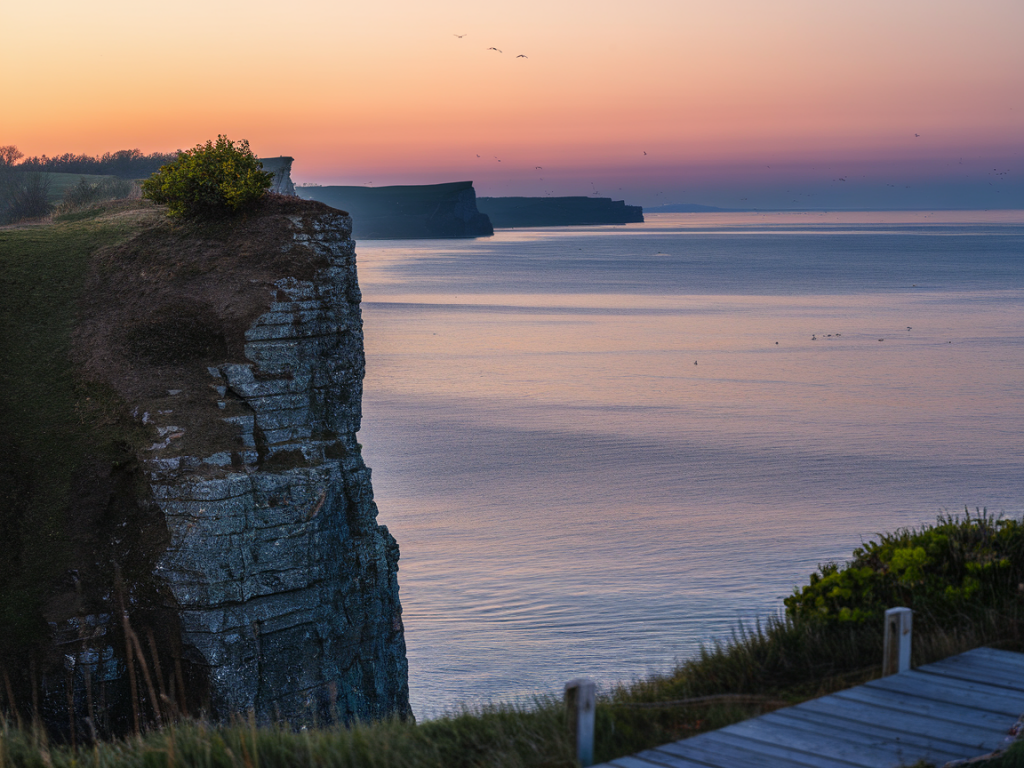
There are few things I find as quietly thrilling as watching gannets wheel and plunge against a late-summer sky, their plunges throwing up silver bursts that catch the last light. Dusk is a particular favourite: the day’s heat eases, human visitors thin out, and the colony settles into a rhythm where you can learn the birds’ routines without getting in their way. But sea cliffs and breeding...
Read more...
Latest News from Borderhike Co

Walking cliff ledges is one of those experiences that sharpens everything: wind, light, the sound of sea on rock. But those same edges can be fragile. Micro-erosion — the small-scale loss of soil, turf and rock driven by footfall, water flow and vegetation loss — often goes unnoticed until a...
Read more... →
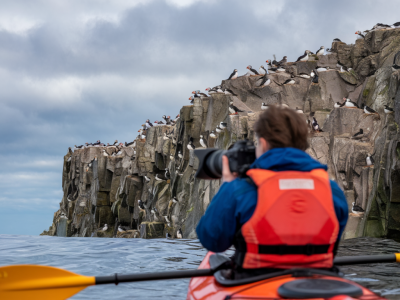
Photographing nesting puffins from a kayak is one of those experiences that feels impossible until you try it — then suddenly the world of sea cliffs, tiny burrows and comic-faced birds opens up in a way you can only access by water. Over years of coastal exploration I’ve learned how to get...
Read more... →
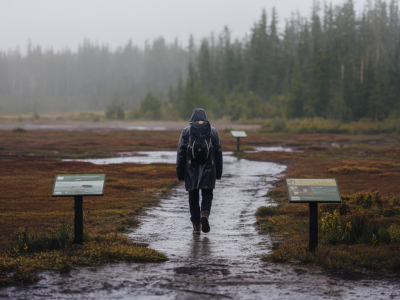
There’s a particular anxiety that comes with a long peatland march: the slow, insistent damp that works its way through socks, collars and morale. Over the years I’ve learned that staying dry on a multi-day peatland route isn’t just a matter of owning the most expensive jacket — it’s...
Read more... →
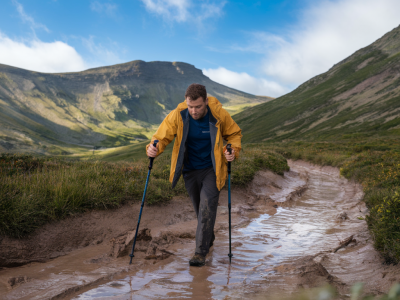
Why trekking poles matter on wet heather and muddy ridgelinesI've spent a lot of time moving through the edges of Britain — damp peat hags, coastal heather and narrow, boggy ridges — and one thing is consistent: when the ground turns slick, your feet alone won't save you. The right pole setup...
Read more... →
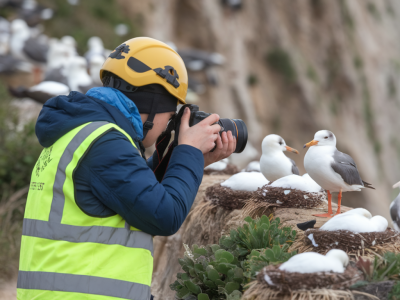
Working near seabird colonies on cliff edges is one of those experiences that feels both intimate and fragile — up close you can see the earnest business of breeding, but every step or shout risks undoing that work. I’ve carried out surveys along a number of Britain’s coasts, and over time...
Read more... →
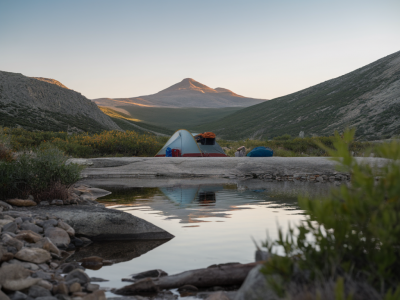
After a long multi-day border hike that threads cliff tops, boggy passes and quiet lanes, I often find myself wanting to stretch the trip with a single low-impact wild camp before I catch the train home. Those last hours — slowing down, setting up somewhere marginal and watching the light change...
Read more... →
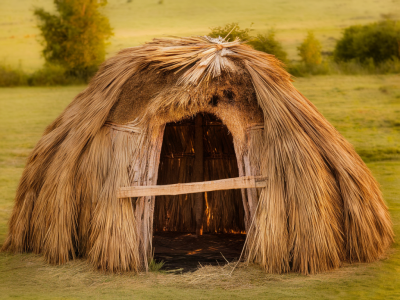
Peat hags — those dark, ragged edges of peatland where the turf has slumped away — catch me every time. They’re beautiful in a bruised kind of way: layers of peat and roots revealed like the rings of a landscape’s memory. They’re also deceptively dangerous. Over the years I’ve learned...
Read more... →
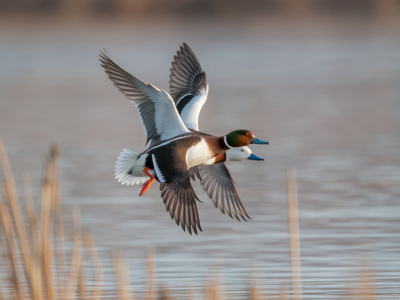
Finding a brood of sea ducks — eiders, scoters, long-tailed ducks — along Britain's shores is one of those small rewards that makes coastal time feel rich. But photographing breeding sea ducks is a responsibility as much as a craft. From experience, the best images come when the birds behave...
Read more... →
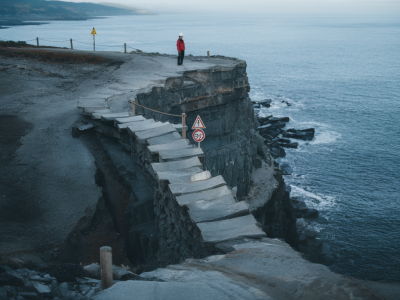
I've followed a lot of cliff paths over the years: some smooth, some nervous, and a handful that have ended in that hollow, unstable crunch that tells you the ground beneath your feet is giving way. Crossing a collapsing cliff path is one of those situations you hope never to face, but if you walk...
Read more... →
Slack-packing a border hike with trains and low‑impact resupply stashes is one of my favourite ways to experience Britain's wild edges. It lets you move light, linger in interesting places and stitch together routes that would be awkward as a continuous backpacking trip. Over the years I’ve...
Read more... →