Guides
Sep 19, 2026
• by Mathis Bernard
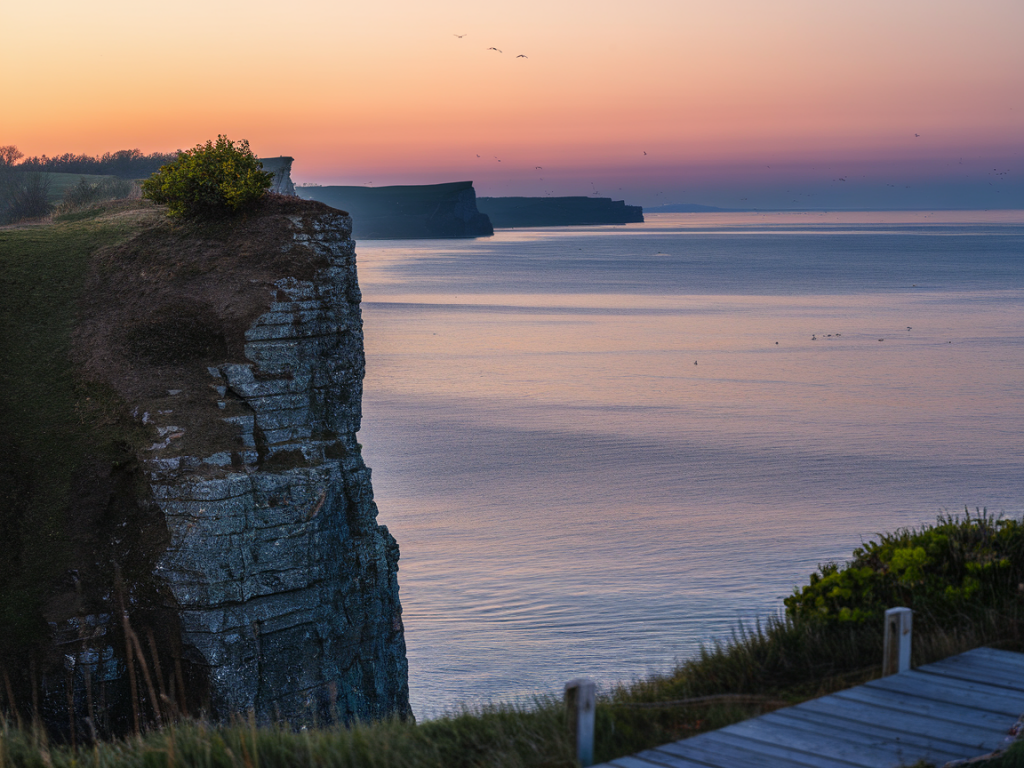
There are few things I find as quietly thrilling as watching gannets wheel and plunge against a late-summer sky, their plunges throwing up silver bursts that catch the last light. Dusk is a particular favourite: the day’s heat eases, human visitors thin out, and the colony settles into a rhythm where you can learn the birds’ routines without getting in their way. But sea cliffs and breeding...
Read more...
Latest News from Borderhike Co
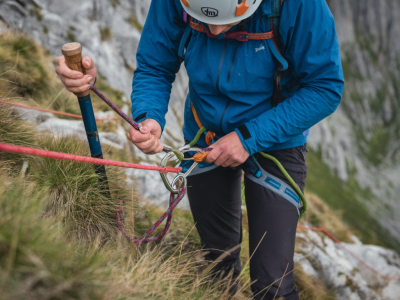
Why a short safety belay matters on grassy cliff exitsI've spent years picking my way off coastal cliffs and steep grassy slopes where a single slip can quickly become an uncontrolled slide. In those moments a full climbing setup isn't practical: time, weight and the awkwardness of hauling a...
Read more... →
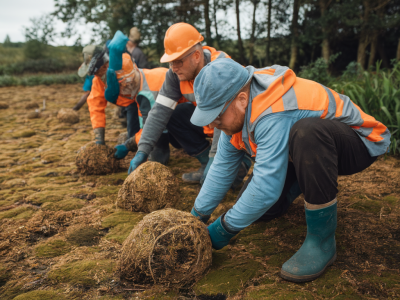
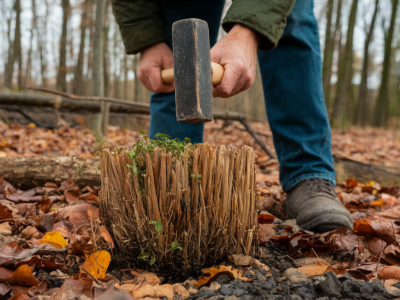
I’ve spent countless damp mornings knee-deep in peat, helping small volunteer teams plug eroded haggs and revegetate bare peat. Lightweight peatland repair plugs made from jute, coir and locally collected Sphagnum are one of the most practical, low-impact tools we use: they’re simple to...
Read more... →
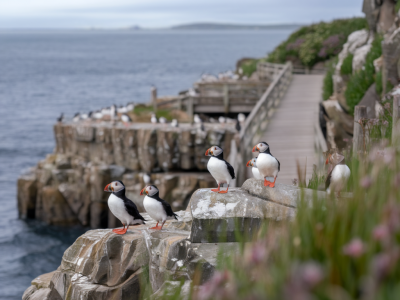
When I plan a trip to see puffins on the Farne Islands I start from one simple idea: the seabird colony must come first. You can make spectacular images and memories without putting breeding birds at risk — but it takes intention. Below I lay out how I pick a low-impact route, the timings that...
Read more... →
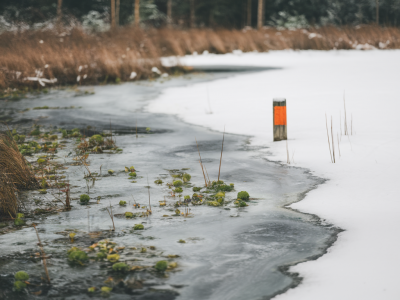
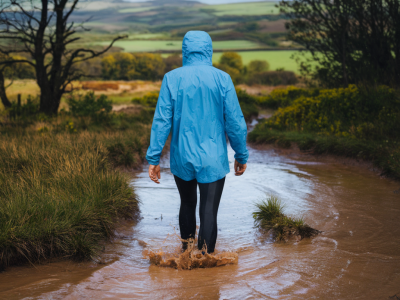
After a long winter of snow, the thaw brings a particular, uneasy season across blanket peat: white surfaces collapse into a patchwork of soft hummocks, hidden pools and thin crust that will no longer carry weight. I’ve learned to read those signatures — the visual and tactile clues that tell...
Read more... →
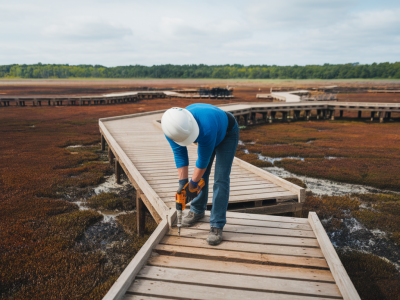
I remember the first time I crawled out onto a peatland boardwalk to lift a broken board and examine what was going on beneath my boots. The smell of wet peat, the tiny bells of hare’s-tail cottongrass and the distant cry of curlew made it clear this was not a place to rush. Boardwalks over...
Read more... →
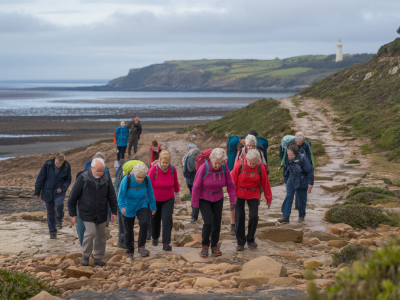
There’s a particular kind of freedom to be found in low-tide coastal scrambles: a squeeze of wildness, the reveal of rock platforms and seaweed-smoothed routes, and the quiet satisfaction of moving along a shoreline when most of the crowds are inland. As someone who spends a lot of time around...
Read more... →
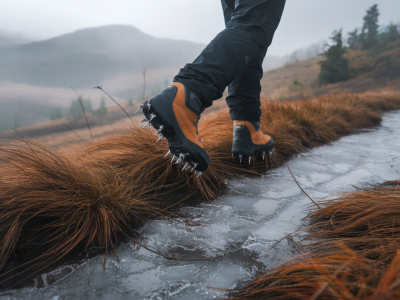
On the exposed border ridges where peat tussocks meet short, wet grass and a thin crust of ice, footwear and traction choices can make the difference between a steady, enjoyable walk and a long, nervous shuffle. Over years of routes along cliff-tops, upland mires and cross-border ridges I’ve...
Read more... →
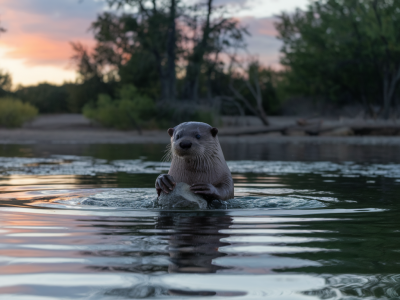
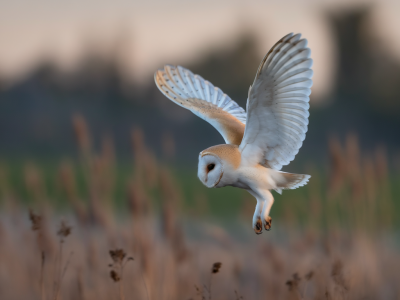
When the light softens and the river quiets, otters slip from shadow into the shallows — the sort of moment that makes you forget the hours of waiting, the cold knees and the careful packing. Photographing foraging otters at dusk is one of those rare rewards where patience, kit and a strict code...
Read more... →
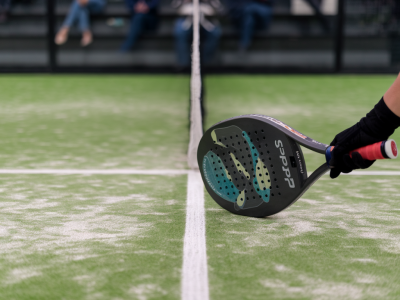
When I started playing padel, I quickly realised that choosing the best padel racket is as important as choosing the right pair of boots for a mountain walk: the wrong tool changes everything about how the game feels, how confident you are on the court, and how quickly you improve. Over time I've...
Read more... →
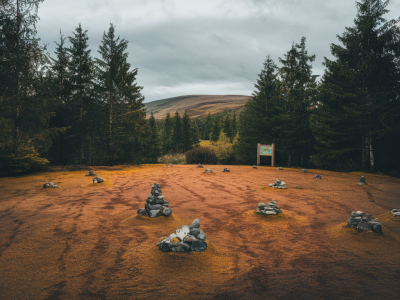
Empty, undulating peat can feel like an ocean when you're standing on it — one that offers few landmarks and many soft, treacherous sinks. Over the years I've learned that the landscape often leaves clues if you know where to look: a faint sheep-track, an old cairn, a line of tussocks, or the way...
Read more... →